


SGS has called on the seafood industry for greater vigilance over antibiotic and drug contamination amid rising contamination alerts in Europe.
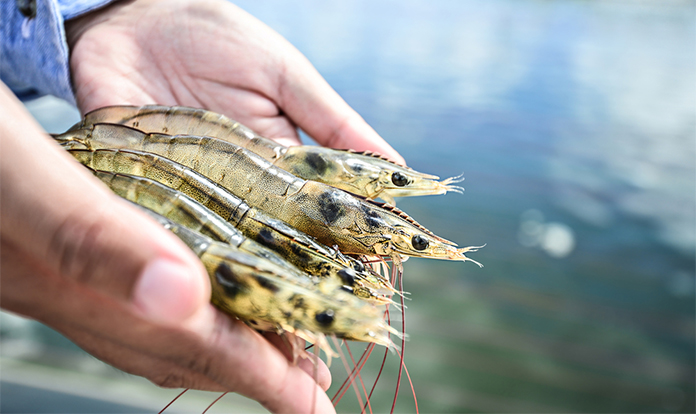
One of the world’s leading testing, inspection and certification companies, SGS has urged seafood producers to be vigilant in the monitoring and control of antibiotic and drug residue contamination in their products.
With the intensification of aquaculture for shrimp, salmon, trout, tilapia, catfish and other finfish, disease management has become a critical concern. Many aquatic diseases are caused not by bacteria, but by viruses, parasites, fungi or multifactorial conditions that suppress immunity. Despite this, antibiotics are often misused – posing serious risks to public health and the environment through antimicrobial resistance and contamination.
Underscoring growing concern over drug contamination in aquaculture products, the European Rapid Alert System for Food and Feed (RASFF) has reported a sharp rise in notifications related to prohibited substances or residues exceeding maximum residue limits (MRLs) in seafood. In the first ten months of 2025 alone, RASFF recorded 26 notifications involving drug residues. This follows a 50% increase in such alerts in 2024 compared to 2023.
EU Regulations 37/2010 and 470/2018 prohibit the use of chloramphenicol and nitrofurans – antibiotics reserved for human medicine – and Regulation 2019/1871 bans carcinogenic triphenylmethane dyes such as malachite green and crystal violet. While quinolones, tetracyclines, amphenicols and sulfonamides remain widely used in aquaculture, ensuring compliance requires technical expertise, especially when some residues may originate from natural sources or cross-contamination.
Through its global network of laboratories and food safety experts, SGS aims to help seafood businesses navigate complex residue regulations and deliver safe, high-quality products to international markets. Using accredited LC-MSMS methods, SGS laboratories detect antibiotic and drug residues in seafood products, either in Europe or prior to export from major producing regions including China, India and Latin America, according to the announcement.