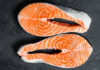


Aker BioMarine has explained that krill meal is an important nutritional source in supporting the welfare of fish, especially salmon, during the challenging winter season.
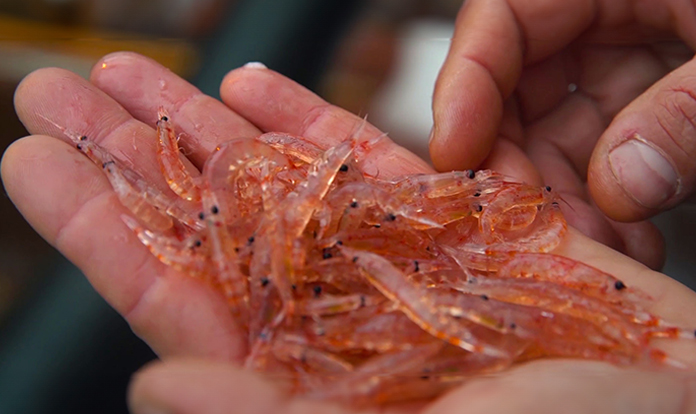 The harsh conditions of winter may cause stress and challenge fish welfare in salmon producing countries, as salmon becomes more vulnerable due to the reduced state of its immune system under cold temperatures. Ensuring that the feed is attractive and these important nutrients are easily accessible to the fish which may support the salmon in withstanding these challenging conditions. A robust fish is better equipped to avoid disease and will recover more quickly following any sickness or stressful events, and krill meal supports the fish in being robust, states Aker BioMarine.
Many aquaculture farmers experience lack of appetite among the fish during the cold winter season. When temperatures are particularly frigid, the fish may almost stop eating altogether. Should the temperature drop below eight degrees Celsius, the fish also face serious threats in the form of winter ulcers caused by more active bacteria such as Moritella together with Tenacibaculum.
Throughout the winter, it is crucial that the fish are fit to combat stress and disease. One way to support robustness and tissue regeneration in salmonids is to ensure that their diets have sufficient well documented nutrients such as EPA and DHA, as well as antioxidants, minerals, and nucleotides. It is also important to ensure that the feed is tasty and easily digested, so that the health promoting nutrients are utilized in an optimal way.
“There are many reasons we believe krill meal is an interesting ingredient for salmon feed in winter months,” says Marianne Nergård, Product Director of Animal Nutrition, Aker BioMarine.
“Cold waters are a natural part of a salmon’s life in the wild. And adapting to the cold by eating less and gearing down all biological processes is a natural part of the life cycle. But life at the farm is a bit different than in the oceans. In farms the infection pressure is higher, and the fish must often withstand challenges like sea lice treatments and other stressful events that leave them vulnerable to the infections. In these conditions the fish needs access to nutrients that support their immune system before and during these events, as well as growth and tissue regeneration after,” Nergård adds.
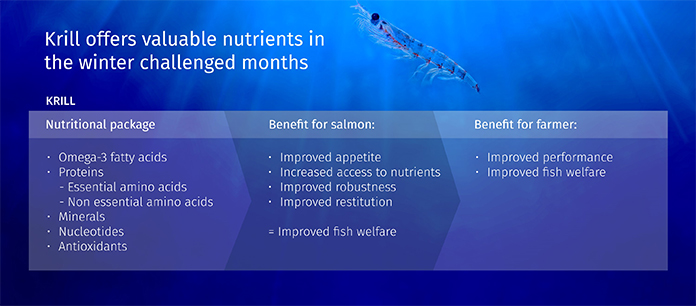 KRILL MEAL BOOSTS APPETITE IN SALMONIDS AND SUPPORTS A HEALTHY IMMUNE SYSTEM
To support growing and thriving fish, encouraging the fish to consume the feed is the main priority. Krill meal, as a nutritional source for aquafeed, has palatable effects, which lead to increased appetite. Krill meal also contains a wide range of nutrients that are important for the immune system, as well as for cell and tissue renewal, including minerals, vitamins, proteins, nucleotides, antioxidants.
In addition, krill contains high levels of EPA and DHA fatty acids, which are linked to skin health and robustness in fish. The fatty acids are provided in a highly available phospholipid form, which ensure that they are used to support the tissues rather than being metabolized. The digestibility of the proteins in krill meal is also high, providing the salmon with many of the building blocks it needs to generate new cells and tissue.
“For these reasons, we see krill meal as the perfect package to help support the appetite and nutritional status of salmonids and other farmed fish during the challenging winter months,” comments Marianne Nergård.