

Scientists from Chung-Ang University, Korea, have used single-cell RNA analysis to reveal key immune mechanisms in the lungs of swine infected with Porcine Reproductive and Respiratory Syndrome Virus (PRRSV). They identified regulators of cell death in severe infections, and protective immune cells in infection with virus of intermediate strength, paving the way for targeted disease management.
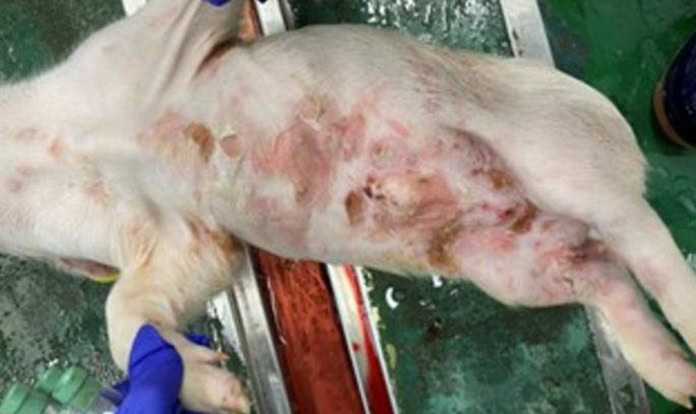
Porcine reproductive and respiratory syndrome virus (PRRSV) infection in pigs is economically devastating for the global swine industry. The viral infection leads to reproductive disorder in sows and respiratory problems in infected newborn and growing pigs. Unfortunately, high genetic variability of the virus and differing disease-causing strength or virulence hinders vaccine development and complicates disease management. Not much is known of the factors contributing to viral disease severity or the anti-viral immune responses. But scientists from Chung-Ang University in Korea uncovered the impact of PRRSV on swine immunity. The scientists used single-cell RNA analysis to reveal key immune mechanisms in lungs of swine infected with PRRSV and revealed changes in immune cell composition in lungs during infection with PRRSV of varying severity.
Dr. Jun-Mo Kim, Associate Professor at the Department of Animal Science and Technology, Chung-Ang University, Korea has focused his research efforts on filling this gap in understanding. “Using a PRRSV infection model, our goal is to advance the comprehensive understanding of the infection and response mechanism in order to minimize industrial damage,” shared Dr. Kim. Recently, his group analysed protein-coding RNA transcripts isolated from single cells and fluid collected from lungs of PRRSV-infected pigs. They monitored immune cell alterations triggered by PRRSV strains of varying virulence. This paper was made available online on January 28, 2025 and was published in Volume 16 Issue 1 of Nature Communications.
The study shows that high virulence PRRSV strain triggered early, severe lung damage and overall immune imbalance marked by significant reduction in macrophages. In contrast, PRRSV strain of intermediate strength led to delayed lung damage with fewer immune alterations. Importantly, higher numbers of protective anti-inflammatory M2-like macrophages (SPP1-CXCL14high) were observed in less virulent infections, suggesting a potential role in promoting lung healing.
According to the study, while fewer than 5% of macrophages were directly infected by virus, cell death and immune responses were widespread indicating that extracellular vesicles or exosomes containing microRNAs released from the PRRSV-infected cells likely contributed to pathogenesis and cell death in non-infected bystander cells.
“Our study findings will aid the development of innovative therapeutic strategies with the potential to mitigate severe lung damage and promote efficient recovery in PRRSV-infected animals, paving the way for effective viral disease management,” explains Dr. Kim, elaborating on the long-term implications of their findings. In addition to the obvious impact on livestock health, global food security, and in securing the economy of the swine industry, the findings from this study may find a parallel in other human respiratory viruses and therapeutic strategies are likely to be applicable and effective broadly.
With these insights, researchers are one step closer to turning scientific discovery into real-world solutions that safeguard both animal and human health.
Reference
Authors: Byeonghwi Lima, Seung-Chai Kimb, Hwan-Ju Kimb, Jae-Hwan Kimc, Young-Jun Seoa, Chiwoong Lima, Yejee Parkc, Sunirmal Sheetc, Dahye Kimc, Do-Hwan Limd, Kyeongsoon Parke, Kyung-Tai Leec, Won-Il Kimb & Jun-Mo Kima
Title of original paper: Single-cell transcriptomics of bronchoalveolar lavage during PRRSV infection with different virulence
Journal: Nature Communications
DOI: 10.1038/s41467-024-54676-2
Affiliations:
aFunctional Genomics & Bioinformatics Laboratory, Department of Animal Science and Technology, Chung-Ang University, Anseong, Gyeonggi-do, 17546, Republic of Korea
bCollege of Veterinary Medicine, Jeonbuk National University, Iksan, Jeollabuk-do, 54596, Republic of Korea
cAnimal Genomics and Bioinformatics Division, National Institute of Animal Science, RDA, Wanju, Jeollabuk-do, 55365, Republic of Korea
dSchool of Systems Biomedical Science, Soongsil University, Seoul, 06978, Republic of Korea
eDepartment of Systems Biotechnology, Chung-Ang University, Anseong, Gyeonggi-do, 17546, Republic of Korea