


The global fishmeal and fish oil market is expanding under the influence of demand from aquaculture, animal nutrition, and the pet food sectors. Conversely, the supply side is constrained by limited ingredient resources, fishing quotas, climate fluctuations, and sustainability pressures. This imbalance between supply and demand increases price volatility, placing supply chain management, alternative ingredients, and efficiency-oriented solutions at the center of the sector agenda.

By Derya Gulsoy Yildiz
Today, the global livestock sector is increasingly compelled to adopt a strategic feeding approach due to rising demand for animal protein, cost volatility in feed ingredients, and pressure for sustainability. It is not only the nutrient content of feed ingredients that has become decisive in the sector’s decision-making processes, but also supply security, environmental footprint, and global trade dynamics. In this environment, ingredients with high nutrient density and functional benefits lie at the heart of performance and efficiency targets.
In this framework, the fishmeal and fish oil market sits at the intersection of animals’ biological and physiological nutritional requirements and a global supply structure based on limited natural resources. Demand for these ingredients remains high, particularly in aquaculture and performance-oriented livestock systems. However, environmental factors, fisheries policies, and competition from alternative protein and lipid sources directly impact the production volumes, prices, and trade flows of these materials. This elevates fishmeal and fish oil beyond being mere feed inputs, turning them into strategic global commodities.
USE OF FISHMEAL AND FISH OIL IN ANIMAL FEED
Fishmeal is a high-quality protein feed ingredient, generally obtained from ingredients not consumed by humans or from by-products of fish processing. Thanks to its high digestibility and balanced amino acid profile, it supports growth and performance, particularly in young animals, and contributes to a healthier development process by supporting the immune system.
Fish oil, on the other hand, is the lipid fraction separated during fishmeal production and is rich in long-chain omega-3 fatty acids (EPA and DHA). Since these fatty acids can only be synthesized at limited levels within the animal body, they must be provided externally through feed. In addition to its high energy content, fish oil plays a vital role in animals’ immune responses, cellular functions, and anti-inflammatory mechanisms. In aquaculture, it contributes to maintaining the natural fatty acid profiles of the fish.
In conclusion, fishmeal and fish oil stand out in animal nutrition not only as sources of protein and energy but as functional feed ingredients that support animal health and enhance performance and efficiency. Adding these components to rations in balanced and correct proportions according to the species and status of the animal positively affects both production performance and final product quality.
 CURRENT MARKET SIZE AND GROWTH EXPECTATIONS
The global fishmeal and fish oil market is emerging as a strategic growth area, driven by aquaculture and animal nutrition applications, as well as the increase in omega-3 and nutraceutical (dietary supplement) use for human nutrition. Conversely, limited ingredient supply, environmental regulations, and regional production differences complicate the market’s growth dynamics. Therefore, projections from various research organizations regarding market size and growth expectations provide important indicators that evaluate both demand expansion and supply constraints.
For instance, in a recent market report by Future Market Insights (FMI), the global fishmeal and fish oil market is estimated to have reached a size of approximately USD 8.8 billion as of 2026. The report forecasts that this market will grow at a Compound Annual Growth Rate (CAGR) of approximately 7.5% during the 2026-2036 period, reaching approximately USD 18.2 billion by 2036. The primary driver for this growth is cited as the increasing demand for high-quality protein and functional oils, especially in aquafeed and animal nutrition applications.
Mordor Intelligence, which stated that the global fishmeal and fish oil market had a size of USD 9.5 billion in 2025, estimates that the market will reach approximately USD 10.01 billion in 2026. This report predicts that the market will grow at a CAGR of approximately 5.33% during the 2026-2031 period, reaching approximately USD 12.97 billion by 2031.
Another report on the global fishmeal and fish oil market is from Research and Markets. This report, dated January 2025, estimates the market was approximately USD 10.33 billion in 2024 and reached the USD 11 billion level in 2025 with a CAGR of 6.5%. The report further forecasts that the market will grow at a CAGR of around 7% during the 2025-2029 period, reaching approximately USD 14.44 billion by 2029.
These three market analyses, which provide different estimates, reveal that the global fishmeal and fish oil market has shown growth within a CAGR range of 5% to 8% in recent years. While the current market volume is estimated to be in the USD 8 to 11 billion band according to the reports, it is projected to reach between USD 12 and 18 billion within the next 5-10 years. These varying projections reflect changing growth expectations depending on heterogeneous demand sources, regional dynamics, and product applications (animal feeds, nutraceuticals, functional foods, etc.).

FACTORS SUPPORTING MARKET GROWTH
The global fishmeal and fish oil market possesses structural growth potential driven by rising demand, despite a supply structure dependent on limited natural resources. The use of these components as feed ingredients is increasing daily, particularly in aquaculture, pet food, and livestock sectors. However, in the fish oil segment, the livestock sector is in competition with human consumption. The widespread use of omega-3-based products in human nutrition is among the other fundamental elements shaping the long-term growth dynamics of this market. The primary factors supporting market growth are summarized below:
1. Growth of Global Aquaculture
Aquaculture constitutes the largest end-use area for fishmeal and fish oil. According to FAO data, global aquaculture production has been increasing steadily in recent years, surpassing traditional fishing in many regions. The goals of high performance, healthy growth, and product quality in farming systems ensure that fish meal and fish oil retain their strategic role in feed formulations. This ensures that demand remains strong, particularly in salmon, trout, and marine fish farming.
2. Trend Toward High Nutrient-Density Ingredients in Animal Nutrition
Due to rising production costs and sustainability pressures, the global livestock sector is turning toward more efficient and nutrient-dense feed solutions. Fishmeal meets this need with its high digestible protein content and balanced amino acid profile, while fish oil provides long-chain Omega-3 fatty acids. The preference for these ingredients, especially in young animal nutrition, breeding stocks, and performance-oriented production systems, stands out as a significant factor supporting market demand.
3. Increasing Awareness and Demand for Omega-3 Fatty Acids
Fish oil is one of the most important natural sources of long-chain Omega-3 fatty acids such as EPA and DHA. Scientific findings regarding the positive effects of these fatty acids on animal health, the immune system, and product quality are boosting demand in both animal nutrition and human nutrition applications. This trend positions fish oil not only as an energy source but also as a functional ingredient, increasing its market value.
4. Widespread Adoption of Functional and Performance-Oriented Feed Formulations
In the animal nutrition sector, feeds are increasingly evaluated within a “functional” framework. There is growing demand for ingredients that support parameters such as growth performance, immune response, stress tolerance, and product quality. Fishmeal and fish oil are among the cornerstones of this functional approach and remain indispensable, particularly in high-value-added production systems.
5. Rising Demand for Animal Protein in Emerging Markets
Population growth, urbanization, and rising income levels in regions such as Asia-Pacific, Latin America, and Africa continue to drive the consumption of animal protein. This situation, which supports both aquaculture and intensive livestock systems, indirectly strengthens the demand for fishmeal and fish oil. Many market reports emphasize that these regions will be the main drivers of global growth.
6. More Effective Utilization of Fish By-products
Within the scope of sustainability-oriented production approaches, the more effective use of by-products from the fish processing sector in fishmeal and fish oil production is being encouraged. This trend increases resource efficiency and contributes to the long-term sustainability of the market by reducing environmental pressures. The spread of by-product-based production models also strengthens the social and environmental acceptance of the sector.
When all these factors are considered together, it is evident that growth in the global fish meal and fish oil market is based not only on volume increases but also on the rising functional and strategic value of the products. The increase in demand ensures that the market retains its medium- and long-term growth potential despite limited supply conditions.
FACTORS RESTRAINING MARKET GROWTH
While the global fishmeal and fish oil market has strong demand dynamics, it faces structural constraints because production is largely limited and dependent on natural resources. Environmental pressures on fishing activities, regulations, and increasing competition from alternative ingredients are among the key factors limiting the market’s growth rate.
The main factors restraining market growth on a global scale are summarized below:
1. Limited Ingredient Supply and Natural Resource Dependency
Fishmeal and fish oil production relies heavily on marine fisheries and specific species (especially anchovy, sardine, and herring). The biological capacity of these resources is limited, and the risk of overfishing prevents expansion in production volumes. In many regions, the implementation of fishing quotas and stock conservation policies stand out as fundamental structural factors restricting supply growth.
2. Climate Change and Fluctuations in Ocean Conditions
Although they have global impacts, climate events such as El Niño and La Niña significantly affect fish stocks, particularly along the South American coast (specifically the Peru-Chile line). These climate events, defined by abnormal changes in surface temperatures in the Equatorial Pacific Ocean and accompanying atmospheric circulation differences, can lead to severe year-on-year fluctuations in fishmeal and fish oil production by limiting the distribution and catchability of fish populations. This creates uncertainty in the supply chain and negatively impacts market stability.
3. Environmental Regulations and Fisheries Policies
Strict regulations implemented in many countries in line with sustainable fishing goals indirectly limit fishmeal and fish oil production. Fishing bans, seasonal restrictions, quota systems, and certification requirements can increase costs while keeping production volumes under control. Environmental policies, particularly in the European Union and Latin America, cause structural pressures on the supply side.
4. High Volatility in Ingredients and Finished Product Prices
Fishmeal and fish oil prices are extremely sensitive to the supply-demand balance. Depending on fishing seasons, climate conditions, and regulations, serious price fluctuations can occur in short periods. This volatility reduces cost predictability for feed manufacturers and farmers, limiting demand—especially in price-sensitive markets.
5. Increasing Competition from Alternative Protein and Oil Sources
Demand for alternative ingredients such as plant proteins, insect meal, single-cell proteins, and algae-based Omega-3 sources is rising rapidly for both cost and sustainability reasons. As these alternatives become more accessible through technological progress, they may limit the share of fishmeal and fish oil in certain feed formulations. Increasing inclusion rates of fishmeal substitutes, particularly in aquafeeds, puts pressure on market growth.
6. Ingredient Competition Between Human Consumption and the Feed Industry
Fish oil is considered a high-value-added ingredient for Omega-3 and nutraceutical (dietary supplement) products for human nutrition. This leads to a competition for limited fish oil supply between the feed industry and human nutrition. Supply shifting toward high-value-added segments can negatively affect accessibility and price stability in the animal nutrition sector.
7. Social and Environmental Sustainability Pressures
Fishmeal and fish oil production is closely monitored by NGOs and the public due to environmental impacts and pressures on marine ecosystems. Potential negative perceptions regarding sustainability are influencing the procurement policies of large food and feed companies, increasing requirements for certification, traceability, and reporting. This represents an additional cost and operational burden for producers.
Despite strong demand, the global fish meal and fish oil market faces structural constraints due to natural limitations on the supply side, environmental pressures, and the rise of alternative solutions. These factors are emerging as elements that limit the growth rate and cause fluctuations rather than completely halting the market’s growth. The market’s development in the coming period will depend on sustainable production models, more effective use of by-products, and how competition with alternative sources will be managed.
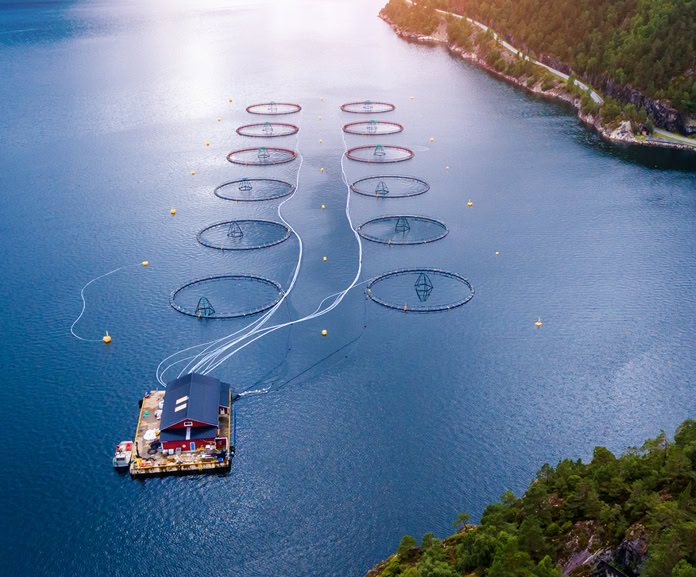
GLOBAL MARKET STATUS BY SPECIES
The global fishmeal and fish oil market is among the primary sources of protein and fat used in animal feed. The market structure varies by animal species and is shaped by distinct usage profiles in aquaculture, poultry, swine, and other animal production systems. The current status and demand dynamics of the fishmeal and fish oil market by main animal species are discussed below:
Aquaculture
Aquaculture represents the largest global use of fishmeal and fish oil. Current sector data shows that the majority of fishmeal consumption occurs within the aquaculture sector. In this segment—which covers shrimp, salmon, trout, marine fish, and various freshwater species—demand is particularly concentrated in the Asia-Pacific region.
Fishmeal and fish oil are preferred in aquafeeds due to their high protein content, balanced amino acid profile, and the advantages offered by Omega-3 fatty acids (EPA and DHA). These properties support growth performance, feed conversion ratios, and overall animal health. Consequently, the aquaculture segment remains the primary source of demand for the fishmeal and fish oil market.
Poultry
While the use of fishmeal and fish oil in poultry feed has a more limited share compared to aquaculture, it maintains its importance in specific applications. Fishmeal is utilized as a high-quality protein source, especially in starter periods, breeding flocks, and performance-oriented production systems. Fish oil is used in formulations aimed at producing Omega-3 enriched meat and eggs in poultry. However, cost pressures and the proliferation of plant-based alternatives keep usage rates controlled in this segment. Despite this, the poultry sector continues to be a stable demand area for fish meal and fish oil.
Pig
Fishmeal usage in pig farming has declined to more limited levels compared to previous years. The widespread use of vegetable protein sources and synthetic amino acids has reduced the share of fishmeal in this segment. Nevertheless, fishmeal is still preferred—particularly during the weaning period and in young animal nutrition—due to its high digestibility and amino acid balance. The use of fish oil remains more limited in pig nutrition. Overall, the swine segment is positioned as a shrinking but not entirely disappearing demand area.
Ruminants
The use of fishmeal and fish oil in the nutrition of ruminant animals remains quite limited globally. Rations for these animals primarily rely on roughage and vegetable protein sources. However, in certain production models—especially for high-yielding dairy cows and specialized feeding programs—fish oil may be used for its fatty acid profile and metabolic support. Fishmeal is utilized in some special cases as a bypass protein source. Nevertheless, this segment remains a niche area within the total market.
Pets
Pet food stands out as a segment where fishmeal and fish oil are increasingly gaining value. Particularly in premium cat and dog foods, fishmeal is used as a high-quality and digestible protein source. Fish oil is preferred for its Omega-3 content, which supports skin and coat health, the immune system, and joint functions.
In addition, in specialized feed applications, fish meal and fish oil can also be evaluated for functional objectives such as coloration, stress tolerance, and product quality for specific species.
In summary, when viewed by animal species, the demand structure of the global fish meal and fish oil market is largely shaped by aquaculture. Poultry and swine segments offer more limited but stable demand, while ruminants and pet foods stand out as more niche applications.
REGIONAL MARKET STATUS
The global fishmeal and fish oil market is shaped by different dynamics depending on regional production structures, the development level of aquaculture, the scale of the feed sector, and regulatory frameworks. The Americas, Asia-Pacific, Europe, the Middle East, and Africa exhibit distinct characteristics on both the supply and demand sides. The regional outlook for the market is detailed below:
Asia-Pacific
The Asia-Pacific region stands out as the largest consumption center of the global fishmeal and fish oil market. The rapidly growing aquaculture sector in countries such as China, Vietnam, Indonesia, Thailand, and India forms the primary driver of regional demand. Fish meal and fish oil are used as critical feed components in shrimp and fish farming, supporting performance and survival rates. Increasing population, protein demand, and export-oriented production models make Asia-Pacific the engine of market growth. The region is also the main destination for fish meal and fish oil imports from Latin America and Africa.
The Americas
The American continent plays a strategic role in the global supply of fishmeal and fish oil, particularly thanks to South American countries. Peru and Chile meet a significant portion of global fishmeal and fish oil production and sit at the center of global exports. In North America, the market is shaped more by aquaculture, pet foods, and specialized feeding practices, and the region is notable for its demand rather than its supply. Overall, the Americas region continues to be one of the main regions determining the market’s supply security with its strong ingredient infrastructure and advanced processing capacity.
Europe
Europe stands out as a mature region with high standards in the fishmeal and fish oil market. Countries such as Norway, Denmark, and Iceland play a significant role on both the production and consumption sides. In particular, the Norway-based salmon farming sector emerges as one of the primary sources of fish oil demand. Furthermore, sustainability, traceability, and environmental impact criteria are of paramount importance in Europe. This situation brings certified and responsible sourcing models to the forefront in the use of fishmeal and fish oil. The proliferation of plant-based and microbial alternatives causes growth in the European market to remain more limited and controlled.
Middle East
The Middle East region exhibits a structure that is largely dependent on imports for fishmeal and fish oil. Despite the limited natural resources in the region, increasing aquaculture investments—especially in the Gulf countries—support demand. In line with food security goals and the objective of increasing local protein production, Middle Eastern countries are prioritizing aquaculture projects. This leads to a gradual increase in the demand for fishmeal and fish oil. Although the regional market is currently small in scale, it carries growth potential in the medium and long term.
Africa
Africa draws attention as both a producer and an emerging consumer region in the fishmeal and fish oil market. West African countries contribute to the global supply chain, particularly through production based on pelagic fish species. On the other hand, the expansion of aquaculture in Africa and the development of the local feed sector are also increasing domestic demand. However, infrastructure deficiencies, financing issues, and regulatory uncertainties are among the factors limiting market growth. Despite this, Africa is seen as a strategic region for the global fishmeal and fish oil market in the long run.
When evaluated on a regional basis, the global fishmeal and fish oil market has a demand structure centered in the Asia-Pacific, while the Americas stand out with strong supply capacity. Europe offers a mature market outlook shaped by regulations and a focus on sustainability. The Middle East and Africa, while currently holding limited shares, are among the regions with future growth potential due to increasing aquaculture investments.
MARKET COMPETITION AND SUPPLIERS
The global fishmeal and fish oil market exhibits a concentrated and supply-oriented competitive environment due to a production structure based on limited natural resources. Large-scale producers located in countries with strong fishing and processing infrastructure, such as Peru, Chile, Norway, Denmark, and Iceland, play a decisive role in the market. These companies achieve a strong market position through high-volume production capacities, integrated supply chains, and international sales networks.
Competition is shaped not only by price but also by security of access to ingredients, sustainability certifications (IFFO RS, MSC), traceability, and quality consistency. Especially in the aquafeed and Omega-3 focused human nutrition segments, functional and certified solutions stand out beyond standard products. In contrast, smaller regional suppliers operating in some emerging regions attempt to find a place in the market through cost advantages and flexible delivery structures. However, lack of quality standardization and supply continuity limits the competitive power of these players.
In the coming period, competition is expected to intensify further through by-product-based production models, the use of alternative ingredients, low-carbon-footprint supply chains, and long-term feed producer-supplier agreements. In this framework, fishmeal and fish oil are positioned not merely as feed inputs, but as strategic, regulation-sensitive global commodities whose sustainability must be proven.
References:
1. Beau Marsh, University of Miami, Global Fishmeal and Fish-oil Supply – Shark Research & Conservation Program (SRC)
2. Cognitive Market Research, Fishmeal and Fish Oil Market Analysis 2026
3. EUMOFA – Fishmeal and Fish Oil Study (2025 Edition), Fishmeal and fish oil – 2025 Edition
4. FAO – The State of World Fisheries and Aquaculture, Fisheries and Aquaculture – Fishmeal and fish oil | FAO GLOBFISH
5. Future Market Insights, Fishmeal and Fish Oil Market Size, Trends & Forecast 2026 to 2036
6. Global Growth Insights – Fishmeal and Fish Oil Market Analysis, Fishmeal and Fishoil Market Size & Global Analysis [2034]
7. IFFO – The Marine Ingredients Organisation, Key Facts | IFFO – The Marine Ingredients Organisation
8. Mordor Intelligence, Fishmeal & Fishoil Market Share & Size 2031 Outlook
9. Patricia Majluf et al., A review of the global use of fishmeal and fish oil and the Fish In:Fish Out metric, Science Advances, 2024, https://doi.org/10.1126/sciadv.adn5650
10. Research and Markets, Fishmeal & Fish Oil Global Market Report 2025
11. World Wildlife Fund, Fishmeal and Fish Oil: Vital Resources from Forage Fish