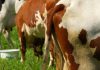


The HORIZON 2020 HoloRuminant project has conducted a study addressing early life dietary interventions in calves to improve performance. According to the study, the administering additives that regulate microbial activity during lactation lead to increased ruminal fermentation two months after the treatment.
 HoloRuminant project, an initiative supported by the European Union’s Horizon 2020 research and innovation program, has evaluated the impact of providing various feed additives on body weight and rumen fermentation in calves at weaning, as well as their lasting effects two months after weaning.
The EU stands out as a major global producer in the beef sector, which serves as a secondary market for the dairy sector. However, on dairy farms, separating calves from their mother right after birth can hinder the development of the rumen microbial populations – a crucial factor for their health and digestion. These calves, between 14 to 20 days of age, from various dairy farms are then gathered and transported to a reception center before being moved to the rearing farm. The underdeveloped immune system and digestive tract of young calves make them highly susceptible to environmental changes and nutritional variations, resulting in common issues such as diarrhea, slow weight gain and respiratory tract disease, which can lead to high levels of morbidity and mortality.
In the study, conducted by the HoloRuminant project, from the third week of life until weaning (over 45 days), calves were given commercial feed additives containing essential oils and probiotics. The goal was to enhance digestion by promoting specific rumen microbial populations. The results showed that although these feed additives did not affect weight gain, they positively influenced rumen function. HoloRuminant project explains that this effect persisted even after the treatment had stopped for two months.
The developing rumen microbial populations in newborn ruminants provide an opportunity for nutritional interventions to enhance rumen function and boost productivity. Current research has revealed that the effects of an early feeding regime and nutrition on rumen development can have long-lasting effects, impacting adult ruminants’ lifetime productivity and health.
According to the statement of HoloRuminant project, administering additives that regulate microbial activity during lactation leads to increased ruminal fermentation two months after the treatment. This highlights the importance of implementing such interventions during the early stages of rumen development when the rumen is more adaptable. In order to improve the performance of their calves, HoloRuminant advises farmers to incorporate these nutritional strategies, alongside respectful handling practices, in production systems when separating the offspring from their mothers.