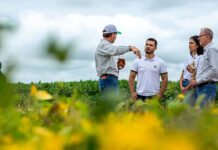


Challenges and opportunities in the alternative proteins market are reshaping the agricultural and food industry. In addition to traditional protein sources, insects, algae and other alternative proteins are gaining in importance as new food and feedstuffs. But what do farmers need to consider when entering these areas? In this interview, members of the DLG New Feed and Food Committee, Professor Tilo Hühn and Simone Poppe give their views on the topic.
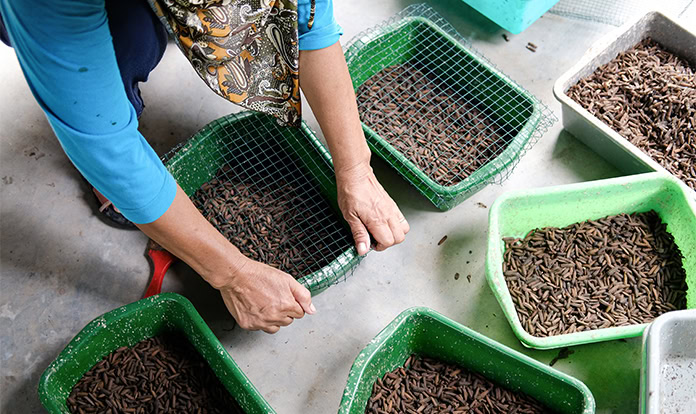
Alternative proteins are increasingly seen as part of the solution to global challenges such as climate change, biodiversity loss, and the need for more resilient food systems. Insects, algae, legumes, and even cell-based products are moving into the spotlight as potential complements to traditional protein sources, opening up both opportunities and uncertainties for farmers and the wider food industry. How competitive is Europe in this field? What practical steps should farmers take before investing in new protein sources? And what role will consumers and retailers play in shaping demand?
Professor Tilo Hühn of the Zurich University of Applied Sciences and Simone Poppe, founder of NewFood Consulting GmbH, share their insights on the prospects, pitfalls, and long-term importance of alternative proteins through the questions below.

Photo: DLG
Where does the demand for new food and animal feed products come from and how stable is it?
Prof. Tilo Hühn: Climate change, biodiversity conservation, protection against environmental contamination and the increasing risk of crop failures are major drivers of change in agriculture. This creates pressure to innovate. There are marketable products in new food and animal feed that promise solutions, which is why this area is particularly attractive. Whether insects, algae or other new protein sources will prevail in the long term depends on many factors, ranging from price to regulation. Meat from the bioreactor, for example, is currently too expensive to establish itself on the market across the board. It is clear that innovation has always led to cheaper production. Anyone who underestimates the potential of alternative protein sources as a whole does so at their own risk.

Photo: Private
How important will new protein sources be for farmers in the medium term?
Simone Poppe: Agriculture as we know it will not be completely replaced by insect fattening or microalgae in 20 years’ time. But entrepreneurs need to think today about what their land will look like in 50 years’ time and what entrepreneurial opportunities they want to open up for their children. Farmers who want to enter new business sectors should only do so gradually in order to gain experience.
How competitive are we currently in Europe when it comes to producing alternative proteins?
Prof. Hühn: There is some competitive cultivation of soya and field beans, but competitors from China and Canada are more competitive in terms of market prices, for example when it comes to meat from cell cultures (Asia and Australia) or soya and peas (China and Canada). It is difficult for our domestic farmers to succeed in this field, which is why various innovative projects in Germany, such as the construction of a pea protein factory by Nordzucker in Lower Saxony, have been stopped.
Are alternative protein sources just far-fetched dreams?
Poppe: No, just think of the example of the sausage manufacturer Rügenwalder Mühle. They were very brave many years ago, a first mover. Today, they are the market leader for plant-based meat substitutes. However, they still have a traditional meat business for the products that sell well.
What should a farmer who wants to invest in alternative protein sources consider?
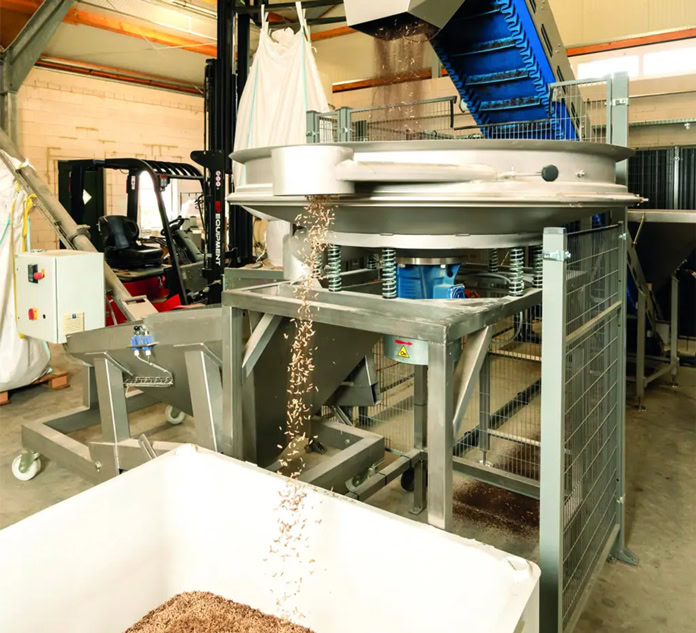
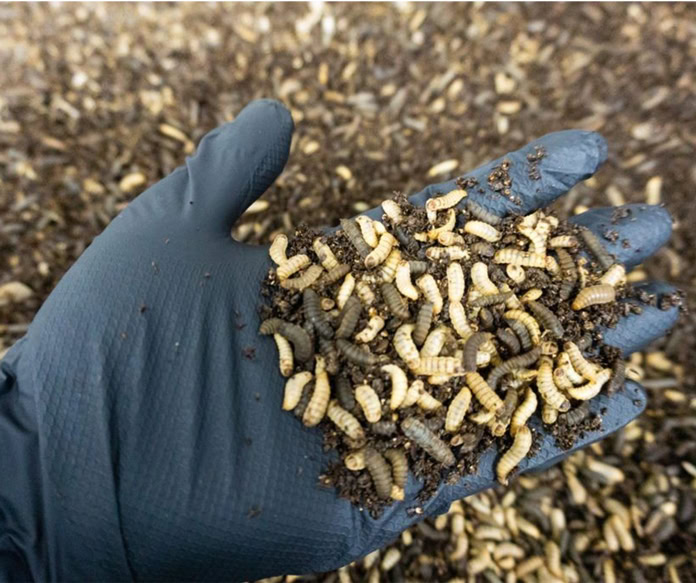
Poppe: Like any other entrepreneur, they should first examine their own location and consider what is possible there. For example, whether I grow legumes for protein production, produce microalgae indoors or fatten insect larvae depends on how suitable my soil is, whether I have old halls that I can repurpose and how high my energy costs are. Another decisive factor is whether I have a sales channel in the region, for example a mill that wants to buy my raw material.
So how should farmers proceed?
Poppe: Farmers should approach investments in a controlled and gradual manner – and check whether existing structures can be sensibly utilised. For example, anyone who runs a farm butchery with their own shop could produce cell mass with a small bioreactor and process it directly on site. This would be a possible model for regional marketing. For the broad mass of farmers, however, cell cultivation is less relevant: We are talking about a highly sensitive raw material that places high demands on hygiene, technology and a complex supply chain. In addition, cultivated foods have not yet been authorised in Europe – the corresponding procedures at EU level will still take a long time. However, those who already have suitable structures and networks in place today can utilise these and produce high-quality raw materials – legumes, for example – and supply them to regional processors.
What opportunities do farmers have to retain a larger share of the added value of alternative products?
Prof. Hühn: An important argument is to fulfil the consumer’s desire for locally produced food. Anchoring local production in the farm philosophy and passing on information about it to the food industry works. If someone can say ‘the bread here comes from a bakery ten kilometres away and the grain comes from local fields’, it may sound a little idyllic, but it creates trust and therefore added value. This works just as well with traditional protein sources as it does with alternative ones.
Are there other ways for farmers to benefit from the production of alternative proteins?
Prof. Hühn: Yes, there are many. But I would like to draw particular attention to the production of regional culture media for fermentation. Grain for beer and spent grains as a side stream are a classic example, but the field is much larger today. Fungi and the production of the culture medium for their mycelia are a huge topic. Cell cultures need a culture medium and for ecological reasons it would make a lot of sense to produce the raw materials for this regionally, possibly even organically. Together with a large Swiss agricultural co-operative, we had an exciting research project here.
Where can farmers find partners to work with?
Poppe: Networking is a very important topic, because many partners in the chain, from seed producers to food manufacturers, are also feeling the pressure to change. Everyone is changing their network structure and their value chain, which is why it is incredibly important to attend regional events. The DLG offers a lot, be it the winter conference or our New Feed and Food committee. A first step can be to ask the cultivation advisor the next time he comes to the farm. You can also find a lot of information online, for example on the Good Food Institute website.
Are there also contacts in the food industry who can help farmers?
Prof. Hühn: The frozen food industry is very interested in the topic. Food service firms and company caterers are also very active in this area. There are already various joint activities by farmers, but I don’t want to mention any brand names. What they all have in common is that the quality requirements are very high.
What is the situation with partners in the food trade? Is there a demand for alternative proteins?
Prof. Hühn: The first alternative meat products that were noticed by a wider public came onto the market around 2012. Many retailers are currently launching strategies to meet the demand from flexitarians. Vegans are too small a group, but flexitarians are different. An important issue for supermarkets is that meat products and alternative proteins cost roughly the same. However, consumers will probably want to know even more in future where the field beans for the substitute product come from, for example. If they then hear that it comes from China, they may no longer want to buy it. At the latest then the trade will react.
Are there typical mistakes that farmers make when getting into alternative proteins?
Poppe: Simply starting out without a clear business plan – because your neighbour is doing it, for example – is risky. A major stumbling block in Europe is the complex regulatory framework for placing new food raw materials on the market. Many raw materials that have long been used in other regions of the world require a so-called novel food authorisation in the EU. The key date here is 15 May 1997: Anything that has not been used as food to a relevant extent since then is considered ‘novel’ and may not be marketed without authorisation. It is important to check at an early stage whether EU authorisation has already been granted for the raw material in question or whether it still needs to be applied for.
There are many exciting new seeds – focussing on protein content, drought resistance or root growth. But farmers can only invest successfully if they have the right environment, do their homework and continue to develop step by step.
Do alternative proteins have long-term prospects in the EU?
Prof. Hühn: When countries with predominantly agricultural regions say we don’t want cell cultures, I think that’s short-sighted. The number of people on the planet is increasing, the climate is changing and we need secure sources of food. With alternative proteins and a higher utilisation of plants directly by humans, we can close material cycles even without animal husbandry. Even if they will certainly not fulfil the market demand for protein on their own, there is no way around them.
The original of this interview was prepared by Agnes Michel-Berger, a freelance author for DLG Newsroom, and can be found on the DLG website.
About Professor Tilo Hühn
Working at the ZHAW Zurich School of Life Sciences and Facility Management, Centre for Food Composition and Process Design, Professor Tilo Hühn, together with his team, ü researches information paths in order to realise functional solutions for the food world. His aim is to create the basis for the development of transformative food processes. Professor Hühn is also Chairman of the DLG Committee for New Feed & Food.About Simone Poppe
The founder and managing director of NewFood Consulting GmbH, Simone Poppe provides support in finding partners, sourcing raw materials and setting up efficient production processes and combines her experience in management positions – including at the DMK Group and the PHW Group – with practical expertise as COO of a company for egg alternatives. She is also a mentor for start-ups in the new food sector and member of the DLG New Feed & Food Committee.