


The Additivity Factor: How enzymes can boost the digestibility of amino...
Feed enzymes offer a range of useful options for enhancing the digestibility of the diet. The individual capacity of phytase, carbohydrase and protease to increase the digestibility of amino acids has been extensively demonstrated. However, it is increasingly the case that diets are formulated with more than one enzyme and so the additivity of enzyme effects has become a focal area of ongoing research.
The role of technology in production of quality pellets and latest...
Many variables affect the pellet quality. We should distinguish between parameters originating from the ingredients and formulation, and process and technology related factors. Technology plays a vital role, as it is directly linked to a feed miller’s objective of producing pellets that are as hard as required and maintain a high and constant throughput while keeping energy costs at the lowest level possible.

Pellet and mash preference in feed production & production technologies
Pellet quality is not only made in the pellet mill. The saying “the chain is as strong as the weakest link” applies also here. Every process step adds to the achieved pellet quality. The finer the particle size after grinding the better the pellet quality, the higher the capacity and the lower the energy consumption at the pellet mill.

Improving pellet quality, the key to good performance
The pelleted feed manufacturing process has undergone a significant evolution in recent decades due to the demand for higher standards of physical quality, nutritional value and microbiological hygiene, as well as greater flexibility in the incorporation of new and varied raw materials. The digital age in feed industry is becoming increasingly important, KPI measurement and monitoring can be done in real time.

Use of probiotics in animal feeds and market dynamics
In the last 10 years, the use of probiotics in the feed of farm animals such as pigs, poultry, ruminants, aquaculture feeds, and pet feeds has increased significantly. According to a market research, the total sales volume of feed probiotics, which was 1.19 million tons in 2018, reached 1.26 million tons in 2019. It is estimated that this usage will increase in the coming years for reasons such as protecting animal health, supporting growth, increasing immunity and productivity...

How can probiotic yeast help maintain dairy cow performance during periods...
Nutritional strategies to preserve dairy performance under heat stress should focus on supporting nutrient utilization by optimizing diet digestion, while preserving rumen function. In this context, the rumen specific yeast
S. cerevisiae CNCM I-1077 — demonstrated to improve both nutrient digestion and rumen efficiency — has been shown to effectively alleviate the toll of heat stress on dairy production and improve rumination behavior.

Choosing the right probiotic for your animals
The use of probiotics in animal feed and nutrition is growing
with each passing day. However, probiotic companies continue to roll out
new products aimed at the livestock market. As a result, choosing the right
and consistently performing probiotic for your specific needs is often a challenge. This article aims to provide information about "5 facts you need to know before you buy" so that you can choose the right probiotic
for your animals.
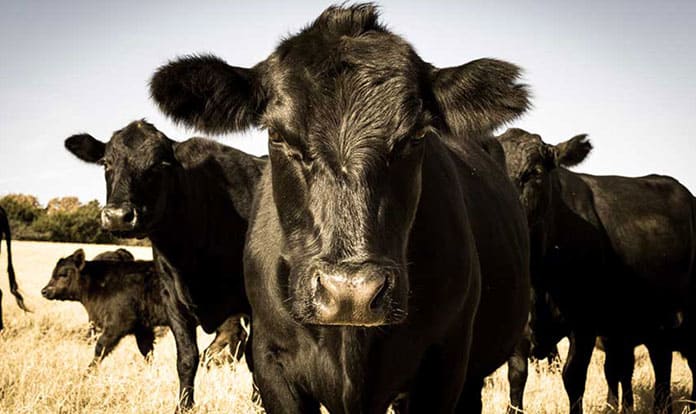
A versatile probiotic for dairy and beef cattle: Bovacillus™
Chr. Hansen launches Bovacillus™, a new solution to support dairy and beef cattle health and performance. The product is a versatile probiotic that can be used in all types of feed applications.

New education program on modes of action of probiotics from Chr....
Chr. Hansen pioneers a new education program on the modes of action of probiotics for feed industry professionals. The company announced that the education is self-learning program to improve the understanding of probiotics. The training program is freely accessible to all.

Partnership of leaders returns to feed industry as powerful solutions
Bühler, one of the first brands to come to mind when it comes to food and feed technologies, joined forces with Premier Tech, a leading company in packaging technologies, in 2019. The partnership of the two leaders bore first fruit in the technology development phase in March: CHRONOS OML-1060.