



The use of organic acids in managing microbial degradation and preserving...
Organic acids are a crucial element of any livestock diet, as they not only help to preserve valuable nutrients and protect the diet from...

Intestinal wellness through MCFAs and their derivatives
Enhancing animal performance while using fewer antibiotics on farm requires a comprehensive strategy, from biosecurity to feed hygiene. Animal gut wellness is crucial for...

Health and performance – go for the max
Butyric acid is the essential »magic stuff« for high-performance healthy broilers. PreAcid 75G uniquely combines supplemented butyrate with a sustained release pattern in the...

The rise of natural microbial preservation
In the context of widespread premiumization and humanization trends of pet food market, natural alternatives for preservation are increasingly common. Natural solutions allow preservation...

“Quality control is essential in ensuring customer satisfaction”
The purpose of a quality control plan is to provide confidence in what users are receiving and producing. The data received should be compiled...

Quality control and use of NIR technologies in feed production
All feed millers either have their own lab or send samples to an external lab. An NIR instrument is a very good investment for...

Sampling: A vital control in pellet manufacturing
Key measures, taken to minimise sampling errors in the feed industry, include using good procedures and the right equipment. It is also important to...
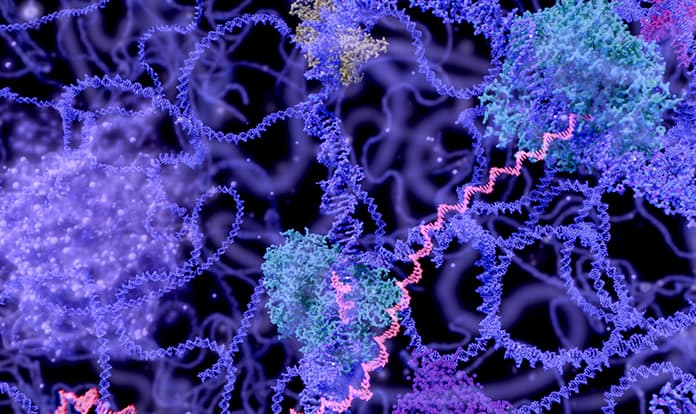
Use of enzymes in animal feeds and market dynamics
The fact that antibiotics used to promote growth, increase productivity and prevent infectious diseases in the field of animal nutrition carry some risks in terms of animal and human health, such as bacterial resistance, encouraged industry professionals to look for new ways. Enzymes, which are considered as an alternative to antibiotics, are especially preferred to increase the digestibility of the feed. It is estimated that the global market value of enzymes...

Nutrase Xyla HS:Put the best in, get the most out
Addition of enzymes to monogastric diets is a widely used practice in the feed industry to improve digestion of difficult to digest components present in those diets, thereby enhancing production performance, and reducing feed cost per unit of animal product.
Xylanase is one of the enzymes used to break down a part of the non-starch polysaccharide fraction. In many countries where monogastric diets are mostly corn-soybean meal based...

Enzyme use in the feed industry: WHY USE FEED ENZYMES
Performance and profitability are often the primary reasons for utilizing feed enzymes, as the direct result of enhanced feed digestion is the increased availability of nutrients like phosphorous, carbohydrates and amino acids and, therefore, an increase in available energy as well. However, feed enzymes also allow for the use of a broader range of feedstuffs that can offer flexibility in the formulation of the diet by using...