

The bankruptcy of Ynsect and findings from a recent investigation have intensified debate over the feasibility, biosecurity and economic viability of industrial-scale insect farming. The case is prompting closer scrutiny from investors, policymakers and industry stakeholders.
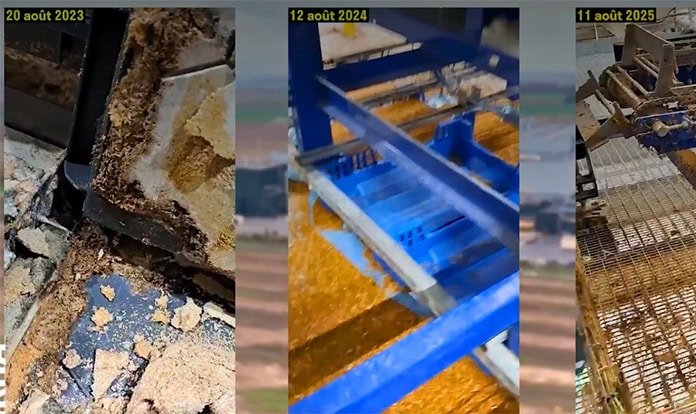 An investigative video report published by French media outlet Vakita has raised serious questions about operational practices at Europe’s largest insect farming facility, operated by the now-bankrupt company Ynsect.
The report, based on testimony and visual material collected by former employees over a three-year period, documents alleged hygiene, worker safety and equipment failures at Ynsect’s large-scale vertical insect farm near Amiens, France. Ynsect, once considered a flagship of the insect protein sector, was declared bankrupt in 2025 after raising more than €600 million in public and private funding.
ALLEGATIONS OF OPERATIONAL AND SAFETY FAILURES
According to the investigation, former employees describe a facility that struggled to operate consistently at industrial scale. Allegations presented in the video include:
• Unsanitary conditions inside production areas, with reports of larvae accumulating on floors and the presence of wild pests such as rodents, birds and insects.
• Worker health and safety concerns, including inadequate respiratory protection, exposure to dust and odors, and accounts of respiratory and allergic health problems among staff.
• Repeated equipment malfunctions, particularly involving plastic bins used to transport live larvae within the vertical system, leading to production disruptions and contamination risks.
• Improper disposal of live larvae and reports that insects escaped from the facility into surrounding areas.
Former employees interviewed in the report claim that these issues were repeatedly raised internally, but that effective corrective measures were not consistently implemented.
INDUSTRY IMPLICATIONS, NOT AN ISOLATED VERDICT
Commenting on the findings, Dustin Crummett, Executive Director of The Insect Institute, said the images and testimony presented in the investigation raise serious questions about the insect farming sector’s ability to operate large-scale facilities safely and hygienically. He noted that the repeated operational failures at Ynsect illustrate the difficulty of converting substantial public and private investment into a consistently functioning industrial system, while reports of insects escaping into surrounding areas underscore unresolved biosecurity and ecological risks. Crummett added that these concerns are particularly relevant for investors and policymakers assessing the sector amid ongoing financial pressures.
PUBLIC FUNDING AND MARKET CHALLENGES
Vakita’s investigation also traces Ynsect’s financial trajectory. Records indicate that the company received substantial public support, including at least €20 million from the European Commission and additional funding from French public investment bodies. Despite this backing, court documents from the bankruptcy process reportedly describe limited commercial sales and difficulties in identifying a viable market at scale.
The court-appointed administrator cited multiple factors contributing to the collapse, including high capital expenditure, delayed construction, inflationary pressures, the Covid-19 crisis, and lower-than-expected demand for insect-based products.
A BROADER REASSESSMENT UNDERWAY
Ynsect’s bankruptcy comes amid a period of reassessment for the insect protein sector. Several other high-profile insect farming companies have entered bankruptcy or restructuring in recent years, prompting investors and policymakers to take a closer look at assumptions around cost competitiveness, scalability and end-market demand.
At the same time, researchers emphasize that insect farming remains an active field of innovation. Many stakeholders argue that smaller-scale systems, improved biosecurity protocols, and clearer market positioning may still offer viable pathways forward.
LESSONS FOR THE FUTURE OF INSECT PROTEIN
Rather than undermining the concept of insect protein as a whole, observers say the Ynsect case underscores the importance of realistic scaling strategies, transparent communication, and rigorous operational standards as the sector matures.
For investors and policymakers, the investigation serves as a reminder that sustainability claims must be matched by robust industrial execution — particularly when significant public funds are involved.