

Developed by Agrovet Animal Health, the feed additive VF Care shows promise for animal health and herd protection with its innovative approach to managing FMD in ruminants.
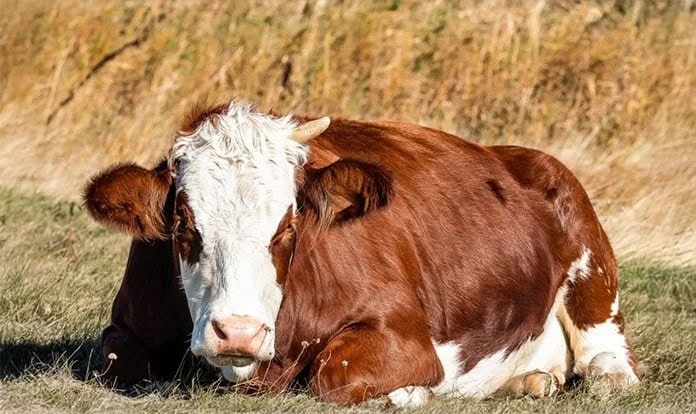
Headquartered in Austria and recognized as one of the pioneers in agricultural innovation, Agrovet Animal Health Austria GmbH has announced the development of VF Care—a product capable of effectively treating FMD in cows and other ruminants while preventing its spread. Described by the company as a revolutionary breakthrough, this product promises to significantly enhance animal health and welfare by resolving a critical issue for farmers worldwide.
Commenting on the new product, Omid Samadijavan, CEO of Agrovet Animal Health Austria GmbH, stated: “We are excited to introduce this innovative product to the livestock industry. Our commitment to improving animal health and supporting farmers lies at the heart of our mission. This feed additive we have developed represents a significant step forward in managing FMD and ensuring the sustainability of livestock farming.
FMD COSTS CAN REACH $21 BILLION
FMD is a highly contagious viral infection that affects cloven-hoofed animals and causes severe economic losses in the livestock sector. According to Agrovet, annual global losses from FMD are estimated to range between $1.5 billion and $21 billion, depending on the region and the severity of outbreaks. Currently, there is no specific treatment or antiviral therapy available for FMD in cows or other susceptible livestock.
As reported by Agrovet, clinical trials demonstrate that ruminants achieve full recovery from FMD just three days after starting VF Care. The company further emphasizes that by boosting the animals’ immune systems, this innovative feed additive excels in combating various viral and bacterial conditions—such as Rinderpest, Peste des Petits Ruminants (PPR), mastitis, and Bluetongue—while reducing the risk of transmission within the herd. Consequently, it enables farmers to raise healthier livestock, thereby safeguarding their livelihoods and preventing economic losses.