

Animal feed proteins are essential feed ingredients for improving growth performance, supporting the immune system, and ensuring efficient production in animals. The global animal feed proteins market is witnessing significant growth due to increasing population and demand for animal protein, sustainability concerns, and a shift toward alternative sources. The market size, which stood at approximately 247 billion US dollars in 2024, is expected to grow at an estimated CAGR of 6.2% by 2034. This growth is primarily driven by the rise of plant-based, single-cell, and insect-based proteins.

By Derya Gulsoy Yildiz
Feed proteins are essential nutrients included in animal rations to support growth, health, and productivity. Plants (e.g., soybean meal, canola) and animal by-products (e.g., fish meal, meat and bone meal) are commonly used protein sources today. However, alternative protein sources such as insects, algae, or microbial proteins have gained popularity in recent years, particularly due to sustainability concerns. All these protein ingredients provide the essential amino acids required for the vital biological functions of livestock, poultry, and aquatic species.
There are many reasons for adding protein to animal feed. The primary reason, as mentioned above, is to provide amino acids, which are the building blocks of body tissues such as muscles, organs, and enzymes. Certain amino acids play a critical role in maintaining a healthy immune system and help animals build resistance to diseases. Additionally, sufficient protein intake increases weight gain, milk yield, egg production, and feed conversion efficiency, and supports fertility and embryonic development. Young and growing animals, as well as lactating or laying animals, require higher protein levels to sustain their growth and production. In ruminants, protein also helps maintain microbial activity in the rumen, which is essential for efficient digestion.
In summary, proteins are vital ingredients of nutrition in animals, just as they are in humans, and contribute to animals’ health, productivity, and sustainable food production.
GLOBAL MARKET STATUS: GROWTH AND EXPECTATIONS
The global animal feed proteins market is witnessing rapid growth due to factors such as increasing demand for animal feed, pressure for sustainable practices, rapid innovation in alternative proteins, and modernization of feed technologies. Several recent market reports support this growth.
For example, according to a report prepared by Research and Markets, the global animal feed protein market size was US$299.02 billion in 2024. The research firm projects that the market will reach 312.29 billion US dollars in 2025, with a compound annual growth rate (CAGR) of 5.8% during the 2025-2029 forecast period. According to this, the total market size will reach 391.19 billion US dollars by 2029.
Global Market Insights, meanwhile, puts the size of the animal feed protein market at US$309 billion for 2023. The company expects the market to grow at a CAGR of 4.9% during the 2024-2032 forecast period, with the total size reaching US$450 billion by 2032.
Expert Market Research (EMR) lags significantly behind other research companies in its forecasts for the global animal feed proteins market size. The company estimates the market size for 2024 at 66.64 billion US dollars, with an 8.4% CAGR from 2025 to 2034 and a projected size of 149.29 billion US dollars by 2034.
The Business Research Company estimates the market size of proteins used in animal feed at 299 billion US dollars for 2024 and 312 billion US dollars for 2025, with a CAGR of 5.8% for the 2025-2029 forecast period. Based on this, the total market size will reach US$391 billion in 2029.
The steady growth in these reports points to the remarkable role of proteins in animal feed. It should be noted that differences between reports may stem from differences in market segmentation, data collection methods, and scope of analysis. However, based on the average of the five reports, it is possible to project that the market size, which was 247 billion US dollars in 2024, will grow at a CAGR of 6.2% during the 2024-2034 period and reach 452 billion US dollars by 2034.
FACTORS DRIVING MARKET GROWTH
The global animal feed proteins market is expected to expand significantly over the next decade. According to analysts, this growth will be driven by a combination of economic, environmental, and technological factors. The main contributing factors are listed below:
1. Increase in Demand for Animal Protein
The growing global population and rising middle-class income levels are increasing the demand for meat, dairy, and eggs, especially in developing regions such as Asia-Pacific, Latin America, and Africa. According to FAO projections, global meat production is expected to increase by more than 70% by 2050. This will keep the need for high-quality feed proteins high in order to support the productivity of animal production, especially feed efficiency.
2. Developments in Alternative Protein Sources
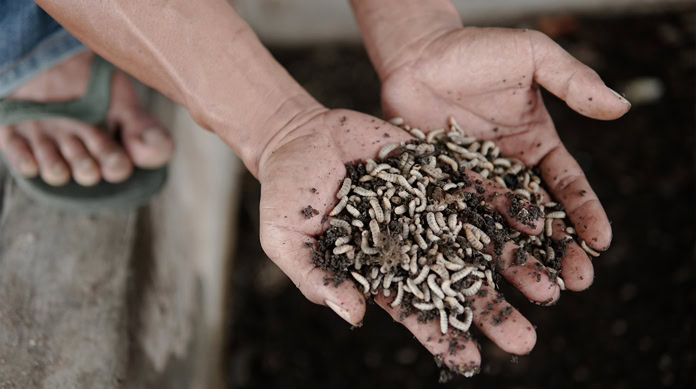
Environmental concerns and growing sensitivity toward the efficient and appropriate use of resources needed to feed the world’s growing population are at the heart of research into new alternative and sustainable protein sources. Insect- and algae-based proteins, single-cell proteins (microbial, fungal, and yeast), and fermentation-derived proteins are among these new alternative protein sources.
These sources promise high digestibility, balanced amino acid profiles, and lower environmental footprints. Increasing investments and regulatory support in this area are driving growth in the feed protein market from a different angle.
3. Greater Focus on Sustainable Agriculture
Today, sustainability has become a key priority for producers in the livestock and feed sectors. As a result, protein sources that reduce greenhouse gas emissions, require less land and water, and contribute to circular economy models (e.g., feed production from waste) are gaining popularity.
4. Advances in Feed Formulations
Feed formulations continue to evolve to enhance the efficiency of protein utilization in animal nutrition. Precision nutrition tools and innovative feed additives enable protein levels to be tailored to an animal’s life stage and production goals, while enzyme supplementation improves protein digestibility. Advances in digital technologies enable real-time monitoring of protein intake and performance in animals. All these developments contribute to improved animal health and performance, supporting market growth.
5. Government Policies and Regulatory Support
Many governments and international organizations are promoting the use of new feed ingredients that are sustainable and increase productivity through research funding (e.g., Horizon Europe, USDA grants), fast-track approval procedures, and sustainable feed certification schemes. Innovative protein sources are at the forefront of these efforts.
6. Growth of the Aquaculture and Pet Food Sectors
Aquaculture is the fastest-growing animal food sector globally, and its demand for high-quality, protein-rich rations is increasing. The transition from fish meal to sustainable alternatives is supporting demand for new protein sources.
Pet food manufacturers are also adopting high-protein, functional feed ingredients in response to consumer preferences for health-focused and environmentally conscious products.
7. Increased Awareness of Animal Health and Productivity
Protein is not only a growth driver but also essential for immunity, reproduction, milk and egg production, and carcass quality. Farmers are increasingly recognizing that balanced protein use in feed can reduce veterinary costs and increase profit margins by improving product quality.
8. Expansion of Livestock Farming
The rapid growth of industrial livestock farming, particularly in emerging markets in Asia-Pacific and Latin America, is driving demand for efficient protein solutions that will increase productivity and profitability.

FACTORS LIMITING MARKET GROWTH
Although the market is poised for growth, there are many factors that could limit market growth, such as fluctuating raw material prices, increasing competition for resources, and the high cost of developing new alternative proteins. Analysts list these factors as follows:
1. Fluctuations in Raw Material Prices
The cost of traditional protein-rich feed ingredients such as soybean meal and fish meal can vary significantly due to factors such as climate conditions, supply chain disruptions, geopolitical tensions, and concerns about overfishing. This volatility can lead to uncertain profit margins for feed producers and unpredictable pricing for end-users.
2. Sustainability Concerns
While some protein sources (e.g., insects, algae) are considered sustainable, traditional sources such as soy and fish meal are often associated with deforestation, disruption of marine ecosystems, high water use, and carbon emissions. Increased environmental scrutiny and sustainability regulations, the adoption of more sustainable sourcing practices, and consumer demand for sustainable alternatives may limit the use of conventional protein sources.
3. High Production Costs of New Protein Sources
One of the main barriers to growth is the production costs of alternative proteins. Although these protein sources are considered sustainable, their production costs are still high compared to traditional sources. Scaling up these alternatives, which require advanced infrastructure, strict hygiene controls, and costly R&D, necessitates significant investments and technological advancements. This makes them significantly more expensive than traditional sources such as soybean meal or fish meal. Until production costs are reduced through scale or innovation, the adoption of these proteins may remain limited.
4. Limited Consumer and Industry Awareness
In many regions, there is limited awareness of the benefits and nutritional value of new feed proteins. This lack of information may lead to resistance from traditional livestock producers toward new protein sources, skepticism from veterinarians and animal nutritionists, and slow adoption of new proteins in conservative markets.
5. Stringent Regulatory Constraints
The feed protein sector faces a complex regulatory environment, particularly when introducing new and non-traditional sources to the market. For example, while the use of insect proteins in poultry and pig feed was only recently approved in the European Union, some countries even lack clear frameworks for algae or microbial proteins. Overcoming these regulatory barriers could delay commercialization and increase compliance costs.
6. Supply Chain and Infrastructure Constraints
Producers of alternative protein sources for feed, such as insects and algae, may face various challenges, including the lack of cold-chain or drying infrastructure, insufficient distribution networks, and limited integration with mainstream feed production systems. These supply chain gaps may restrict market access, particularly in developing regions.
7. Competition from Alternative Inputs
Alternative protein sources must compete with other performance-enhancing feed inputs such as feed proteins, amino acid supplementation, enzyme technologies, and plant extract-based functional additives. These can limit the share of protein in certain formulations by offering cheaper or more targeted solutions for animal growth.
Despite promising growth projections, the global animal feed protein market faces numerous structural and operational challenges that could limit or delay progress. Overcoming these challenges will be critical to unlocking the full potential of new and sustainable protein sources and ensuring the long-term resilience of global livestock systems.
MARKET STATUS BY ANIMAL TYPE
The global animal feed proteins market is shaped by the nutritional needs of different animal types, which in turn determine the market’s current structure and future opportunities. Each segment—poultry, ruminants, swine, aquaculture, and pet animals—has its own unique production systems and protein requirements.
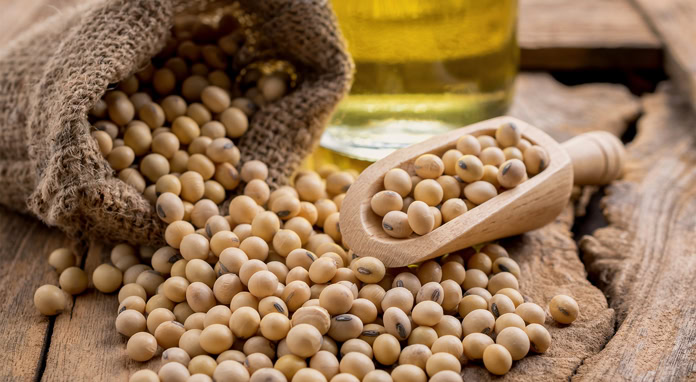
The poultry feed segment holds the largest share of the global animal feed proteins market. This is due to the increasing consumption of chicken meat and eggs worldwide. The most commonly used protein sources in poultry nutrition include soybean meal, corn gluten meal, fish meal, and synthetic amino acids (especially lysine and methionine). In recent years, innovative solutions have emerged with the inclusion of insect meal and fermentation-derived proteins in feed formulations. The high feed conversion ratio of poultry has increased the demand for protein-rich and cost-effective feeds. Both the broiler and layer sectors are increasingly focusing on optimized protein mixtures to enhance growth and egg production. Asia-Pacific (especially China and India), Latin America (especially Brazil), the US, and Europe are the main production and consumption regions in this segment.
Ruminant feed is a major consumer of protein sources derived from crops and by-products. Ruminants are able to efficiently utilize lower quality proteins thanks to rumen microbial fermentation. The most commonly used protein sources in this segment include canola meal, cottonseed meal, and distillers dried grains (DDGS). Milk production, reduction of methane emissions, and sustainable feed formulations are the key factors driving the growth of this segment.
The swine feed segment is also one of the areas where feed proteins are widely used. The fact that pork is the main source of protein in East Asia and Europe is one of the main factors supporting demand in this segment. Protein sources such as soybean meal, blood meal, fish meal, and rapeseed meal are prominent in swine feeds, while amino acids are also commonly used as additives. Fermented soybean meal and plant protein concentrates are used to support gut health, particularly in young animals. Additionally, insect and algae proteins are being evaluated as alternatives to reduce antibiotic use in piglets. However, diseases such as African Swine Fever (ASF) can cause fluctuations in regional protein demand in this segment.
The aquaculture segment is the fastest-growing area of use for alternative proteins. This growth is parallel to sustainability pressures and the rapid expansion of the sector. While fish meal and fish oil have traditionally been widely used, environmental concerns and cost increases are accelerating the shift toward land-based alternative protein sources. Insect proteins, algae proteins, and single-cell proteins (such as those derived from methane-oxidizing bacteria) are among the leading alternatives. The use of pea and soy protein isolates, as well as microbial proteins, is also on the rise. Vietnam, Indonesia, Norway, Chile, India, and China are among the leading regions in this segment.
The pet food segment, although smaller in volume, is a high-value market. This segment uses high-quality animal proteins such as chicken and fish, plant-based proteins such as peas and lentils, and innovative sources such as insect meal and hydrolyzed proteins. The increasing awareness of pet owners has led to the importance of criteria such as digestibility, hypoallergenic properties, and functional benefits. In this segment, where there is growing demand for grain-free, sustainable, and human-grade quality proteins, North America, Western Europe, and Japan are among the leading markets.
REGIONAL MARKET OVERVIEW
The global animal feed protein market exhibits significant regional differences. These differences are shaped by livestock production trends, consumer demands, feed regulations, and sustainability goals.
The Asia-Pacific region leads the global animal feed protein market in terms of both volume and growth. A large population and increasing consumption of animal-based foods are driving demand for poultry, pork, and aquatic feed. Countries such as China, India, Vietnam, Indonesia, Thailand, Japan, and South Korea are at the center of this growth. Rising demand for meat, eggs, and dairy products, driven by urbanization and income growth, is intensifying animal production, which in turn is creating a high demand for protein in the feed sector. Countries like China and India strongly support self-sufficiency policies for feed raw materials. While soybean meal remains the primary protein source, the region is actively researching and investing in alternative proteins such as insect meal and various plant-based isolates to enhance sustainability and reduce dependence on traditionally imported sources. However, diseases such as African Swine Fever in pigs and avian influenza in poultry, along with import dependency in some countries, remain significant challenges.
The Americas have a mature but innovation-driven market structure in animal feed proteins. The United States and Brazil are global leaders in soybean meal and animal protein production. High-density poultry and pig production systems, large-scale feed production infrastructure, and strong R&D investments in biotechnology are the key factors determining this region’s competitive strength. Demand for sustainable proteins for pet food and aquaculture feed is growing steadily. However, fluctuations in trade policies and environmental concerns such as the link between soybean cultivation in South America and deforestation pose some challenges.
Europe is a mature but dynamic market characterized by stringent regulations, a strong sustainability approach, and growing interest in the discovery of new protein sources. Countries such as Germany, France, the Netherlands, Spain, the United Kingdom, and Italy are leading the way in alternative proteins sector. The European Union’s strict regulations on feed safety, traceability, and environmental impact are driving producers to develop more responsible and sustainable solutions. Circular economy investments and green feed technologies are also part of this transformation. However, limited agricultural land, complex and constantly evolving regulatory frameworks for new protein sources, and high production costs present some challenges for the sector.
The Africa and Middle East region has high growth potential for animal feed proteins but faces some structural constraints due to infrastructure and climate conditions. Urbanization and population growth in countries such as South Africa, Egypt, Saudi Arabia, the UAE, Nigeria, and Kenya are increasing animal food consumption and, in turn, feed demand. The expansion of the poultry and aquaculture sectors is revitalizing the feed industry. The lack of local feed protein production has led to a significant reliance on imported soybean meal and processed animal proteins. However, there is growing interest in insect farming and local alternative protein sources in countries like Kenya and Nigeria. Demand for halal-certified feed is also influencing the region’s market structure. However, climate conditions limiting agricultural protein production, deficiencies in feed processing and logistics infrastructure, and political instability and currency fluctuations in some countries are the main obstacles that the market faces.
CONCLUSION
Animal feed proteins play an essential role in animal health, productivity, and sustainable food production. The growing global population, changing consumer expectations, and environmental pressures are increasing the importance of both traditional and alternative protein sources. The market continues to grow thanks to technological developments, new protein innovations, and sustainability-focused policies. However, overcoming structural barriers such as cost, regulations, and supply chain challenges will be critical for the sustainability of this growth. Differing nutritional needs across species will also continue to shape market dynamics.
References
1. Protein Sources for the Animal Feed Industry I FAO
2. Edible insects: Future prospects for food and feed security I FAO
3. Sustainability of Alternatives to Animal Protein Sources, a Comprehensive Review I https://doi.org/10.3390/su16177701
4.Animal Feed Protein Market Report 2025 I Research and Markets
5. Global Feed Additives Market I Feed & Additive Magazine
6. Feed Protein Market – Size, Share & Trends Report, 2034 I EMR Claight
7. Animal Feed Protein Market Report 2025, Share, Forecast By 2034 I The Business Research Company
8. Animal Feed Protein Market Size & Share | Growth Analysis 2032 I Global Market Insights