

Suntaq has strengthened its local expertise, reliable supply, and solutions for growing enzyme demand by making Türkiye its MEA regional hub. Focusing on the region’s growth potential, the company is expanding its team in the main markets.
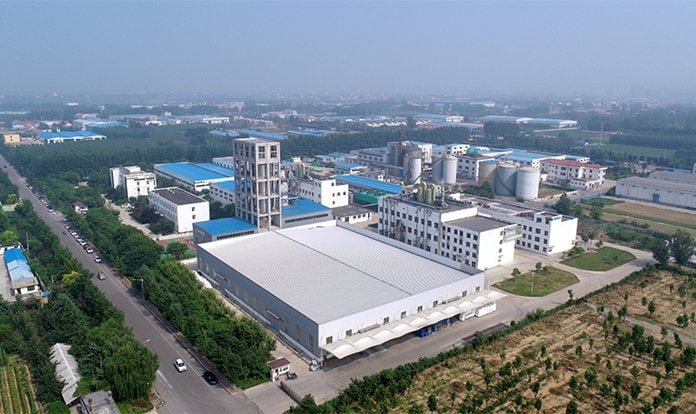
Suntaq International Limited, a global biotechnology company specializing in enzyme solutions, has announced that Türkiye has been established as the center of its Middle East and Africa (MEA) operations in response to growing demand for animal feed enzymes. Ahmet Gürgün, Regional Director for Türkiye and MEA at Suntaq, emphasized that this strategic step marks an important milestone in delivering localized expertise and a more secure supply structure to producers in the region.
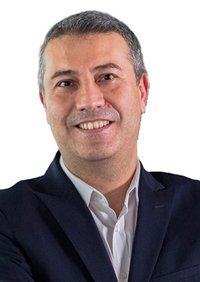
“Establishing Suntaq Türkiye as our regional headquarters in June 2025 reflects our strong commitment to supporting MEA producers with localized expertise, reliable supply, and innovative enzyme technologies. As the animal feed industry in the MEA region accelerates, the demand for high-efficiency enzyme solutions is growing faster than ever.” said Gürgün.
STRENGTHENING MEA REGION IN THE GLOBAL ENZYME MARKET
According to Gürgün, growth in the global feed enzyme market remains steady: “The global animal feed enzyme market size was valued at USD 1.38 billion in 2024, and is expected to reach USD 1.76 billion in 2029.”
He continued with additional insights on regional dynamics: “The MEA region represents around 8% of global turnover accounting for USD 110 million. Across the region, the poultry sector holds a 38% share, valued at roughly USD 42 million, while the ruminant sector stands at $22 million with a 20% share. In the region, total feed enzyme volume stood at approximately 101,000 metric tons as of 2023, with phytase representing 27% of this volume and carbohydratases accounting for 36%. Based on feed type, poultry feed enzymes constitute 38% of the regional enzyme volume, amounting to roughly 38,400 tons. The total share of ruminant feed is 20%, while its volume is around 20,200 tons.”
DRIVERS BEHIND MEA’S GROWING ENZYME DEMAND
Gürgün pointed out that, unlike other markets, the region has a much greater need for enzymes, stating the following: “Compared to Australia, the Americas, and Europe, MEA region depends much more on dry raw ingredients for feed, making the need for enzymes absolutely critical,”
He also noted that in countries such as Türkiye, South Africa, Saudi Arabia, and Egypt, the rising economic prosperity has increased protein demand, which in turn has scaled up livestock investments and feed requirements.
According to Gürgün, the fluctuations in raw material quality experienced due to climate change over the past decade, and the political conditions of recent years—which have specifically complicated the supply of raw materials from the Black Sea—are also causing producers to increasingly need enzyme solutions.
REGULATORY IMBALANCES IMPACTING MARKET STRUCTURE
Gürgün noted that there is an imbalance in enzyme supply in the region stemming from the regulatory structure, and he stated that the import rules, particularly in Türkiye and Iran, have created a non-competitive market structure. He added, ‘Our priority is to complete the regulatory approval processes, establish market balance on the supply side, and create genuine added value for the sector.’
SUNTAQ’S LONG-TERM INVESTMENT IN THE MEA REGION
Affirming confidence in the region’s long-term growth, Gürgün shared details about the company’s strategic investments: “We firmly believe in the size and growth potential of the MEA region. This is why we have already begun strengthening our teams in the main markets including Saudi Arabia, Egypt, Türkiye, and Pakistan.”
With its new regional headquarters in Türkiye, Suntaq aims to offer faster, more consistent, and more direct support to producers across the MEA region.