


Researchers from Scotland’s Rural College and the University of Bristol are launching a three-year study to investigate poultry welfare in handling practices. Funded by the Department for Environment, Food & Rural Affairs, the study will compare commercial catching methods across more than 100 poultry flocks in Britain.
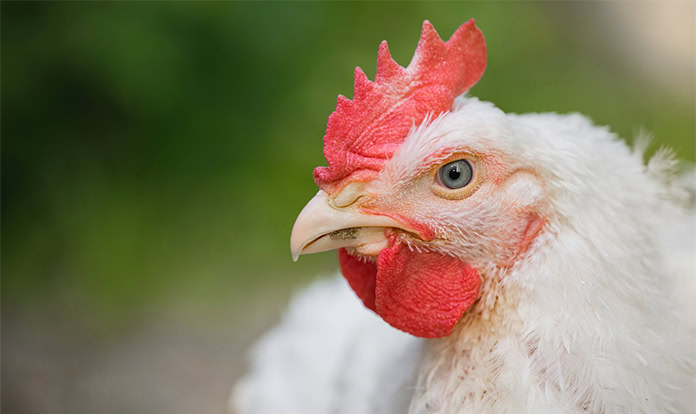
A new Department for Environment, Food & Rural Affairs (Defra)-commissioned £500k commercial poultry catching and handling study is aiming to improve the welfare of farmed birds throughout Britain.
Led by Scotland’s Rural College (SRUC) and the University of Bristol, the comprehensive collaboration between academic research teams, industry, Humane Slaughter Association and a poultry veterinary consultant is set to take place over three years and will collect data from over 100 commercial poultry flocks, leading to best practise for poultry wellbeing.
The project will assess the catching and handling of commercial poultry that are caught when they are being moved between housing systems, or before going to slaughter. By comparing the two main methods of catching and handling (either by two legs or catching upright) the research will discover how each approach impacts on the overall process duration and bird welfare.
Dr. Vicky Sandilands, Lead Researcher at SRUC, said: “High animal welfare standards are a key component of agricultural best practice and so we’re grateful to Defra for the opportunity to investigate the impact of catching and handling on chickens. Our Monogastric Innovation Centre and Animal Behaviour and Welfare teams at SRUC look forward to a close collaboration with colleagues at the University of Bristol and Humane Slaughter Association to provide evidence on best catching and handling practices, to safeguard the welfare of commercial poultry.”
The project, which will begin by looking at broilers, layers, and pullets in the first instance, will include training the catching crew members across all farms taking part in the research in both catching/handling methods.