


Tiba Biotech’s novel Foot-and-Mouth Disease vaccine provided full protection in cattle during a challenge study, with vaccinated animals showing no signs of viral shedding or adverse effects. The vaccine uses Tiba’s proprietary RNABL platform, enabling stable storage at refrigeration and room temperatures.
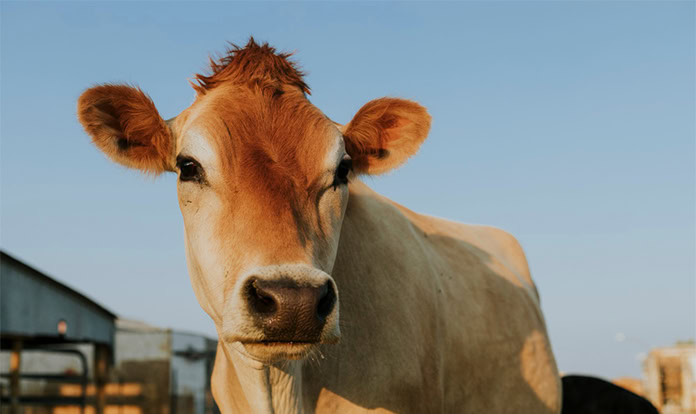
Tiba Biotech LLC, which specializes in next-generation RNA medicines for human and animal health, has announced the results of a challenge study evaluating the efficacy of a novel vaccine for Foot and Mouth Disease (FMD) in cattle. Conducted by Germany’s Friedrich Loeffler Institute, the study assessed both humoral immune responses and protective efficacy upon direct viral challenge exposure. All vaccinated animals were fully protected, showing no signs of viral shedding or adverse effects, the study shows.
The vaccine was developed by Tiba scientists as part of an international research collaboration with the Elizabeth Macarthur Agricultural Institute and the RNA Institute at the University of New South Wales, with support from the NSW Department of Primary Industries and Regional Development (DPIRD) and Meat & Livestock Australia (MLA). This success builds on earlier livestock vaccine research supported by the Bill and Malinda Gates Foundation (BMGF) and Canada’s International Development Research Centre (IDRC).
FMD remains an ongoing global threat, with recent outbreaks in Europe and endemic circulation in parts of Africa, Asia, and the Middle East. Modeling from the Australian Bureau of Agricultural and Resource Economics and Sciences (ABARES) has estimated an incursion could cost the Australian economy up to AUD80 billion. “FMD is present in countries near to Australia and is front of mind for industry in terms of potential biosecurity risks,” said MLA Managing Director Michael Crowley.
A key innovation is Tiba’s proprietary RNABL platform that forms biodegradable nanoparticles which naturally degrade after delivering the immune-triggering RNA payload. Unlike current mRNA delivery technologies, Tiba’s vaccines can be stored long-term at standard refrigeration temperatures and at room temperature for at least one month – a critical advantage in livestock applications, according to the announcement. The vaccine must still undergo a rigorous evaluation process with animal health regulators before it can be approved for commercial use.
Tiba has a portfolio of human vaccine and therapeutic candidates, with recent progress in lung disease therapeutics funded by BARDA. “Today we are excited to contribute to the future of animal health with this next-generation solution,” remarked Peter McGrath, Tiba Co-founder who heads Australian operations. “Our focus now shifts to working closely with regulators to ensure the vaccine meets the highest standards of safety and effectiveness, and ultimately to make this breakthrough available to the farmers and producers who need it most.”
“This vaccine research investment plays a vital role in protecting Australia’s multi-billion-dollar livestock industries, safeguarding the communities that depend on them and maintaining access to critical export markets,” noted Peter Kirkland, EMAI Senior Principle Scientist and leader of the Animal Virology Team.