


Feed aromas and flavor enhancers are strategic additives that increase the smell, taste, and sensory appeal of feed, thereby supporting animal feed consumption. The global market is gaining momentum with increasing demand for animal protein, pet food industry’s growth, and the reduction of antibiotics; it is expected to approach $2 billion by 2030, from $1–1.6 billion in 2024. The Asia-Pacific region leads in volume growth, with China and India representing the main markets. North America and Europe are mature markets oriented towards high-quality and natural formulations. The Middle East and Africa, meanwhile, hold development potential through feed investments and urbanization.

By Derya Gulsoy Yildiz
Feed flavors and sweeteners are additives intentionally added to animal feed to enhance smell, taste, and overall sensory appeal. Palatability, or the taste of feed, plays a decisive role in animal feed consumption and includes sensory elements such as taste, texture, and smell. The use of more sensorially appealing feed formulations is common in animals raised in modern, intensive production systems.
Flavorings are volatile compounds with a pleasant smell that improve the taste and odor profile of feeds. Sweeteners are natural or synthetic compounds that specifically increase the sensation of sweetness. These additives, which perform various functions in feed formulations, support feed intake, especially in young animals during weaning and in animals under stress. They ensure continuity in feed consumption by masking unpleasant tastes and odors, allow the inclusion of low-quality or alternative raw materials in the diet, and reduce formulation costs. They also support adaptation by easing nutritional transitions.
The use of feed aromas and flavor enhancers optimizes feed intake, increasing growth performance and feed efficiency; improves animal welfare by ensuring continuous feed consumption; and provides flexibility in formulations. For these reasons, aromas and flavor enhancers are considered as additives of strategic importance in modern animal production, both economically and in terms of animal health.
CURRENT MARKET SIZE AND GROWTH EXPECTATIONS
The global feed flavorings and sweeteners market is experiencing continuous growth driven by increasing awareness of animal health, rising demand for animal protein, production focused on efficiency, and demands to enhance palatability. While various research reports offer different estimates regarding the market’s current size and future potential, the general trend indicates that growth will continue.
According to Data Bridge Market Research, the global feed flavorings and sweeteners market was worth USD 1.32 billion in 2024 and is expected to reach USD 1.98 billion by 2032, growing at a compound annual growth rate of 5.20% during the forecast period 2024-2032.
Similarly, Verified Market Research estimates the market size for 2024 at USD 1.44 billion and forecasts it to reach USD 1.82 billion by 2031, growing at a CAGR of 3.3%.
Research and Markets, on the other hand, has identified a size of 1.6 billion USD in 2024 and predicts that the market will grow at a CAGR of 3.8% between 2024 and 2030, reaching 2 billion USD in 2030.
Mordor Intelligence estimates a value of approximately $1 billion for 2025 and forecasts that it will grow to $1.23 billion by 2030 with a CAGR of 4.26%.
On the other hand, the Business Research Company addresses market size within a broader category (feed flavor & sweetener ingredients) and presents a high CAGR estimate of 7.3%, projecting the market to reach US$7.1 billion by 2029.
These differences between reports stem from differences in scope, definition, and methodology. Some studies only account for flavors and sweeteners used in animal feed, while others also include pet food ingredients or specific flavor/sweetener ingredients. Furthermore, base years, forecast periods, and data methodologies also yield different results.
Generally, conservative estimates indicate that the market was valued between $1–1.6 billion USD in the mid-2020s and will reach approximately $1.2–2 billion USD around 2030. In this scenario, CAGR typically ranges between 3–5%. More comprehensive and optimistic forecasts predict that the market will reach several billion US dollars by 2029 and exhibit a CAGR of over 7%.
The flavor segment stands out as the dominant segment in this growth due to its critical role in increasing feed intake and voluntary consumption. The sweetener segment is expected to have the fastest growth rate between 2025 and 2032 due to demand for masking unpleasant feed odors and enhancing taste perception.
FACTORS SUPPORTING MARKET GROWTH
The global feed flavors and sweeteners market is expanding due to the increasing need for efficiency in modern animal production, growth in the pet food sector, and the necessity to manage feed costs. The main dynamics supporting market growth are as follows:
1. Increasing Demand for Animal Protein
Global population growth and rising incomes, particularly in Asia-Pacific and Latin America, are driving increased consumption of meat, dairy, and eggs. This leads to increased feed volumes and stronger demand for palatability enhancers.
2. Rapid Growth in the Pet Food Sector
The pet food sector is the fastest-growing segment for additives. Pet owners’ preference for premium, natural, and more palatable products is driving manufacturers to use flavorings and sweeteners.
3. Use of Alternative Raw Materials and Cost Management
By-product flours, alternative protein sources (e.g., insects, algae, yeast), or low-cost raw materials are increasingly being used in feed. However, these ingredients may carry unwanted tastes or odors. Flavor-enhancing additives mask these issues, providing both cost advantages and flexibility in feed formulation.
4. Antibiotic Reduction and Shift to Alternatives
Due to regulatory pressures, the use of antibiotic growth promoters is declining, while the use of aromas and flavor enhancers to maintain palatability is increasing. These additives, together with functional ingredients, support animal health and performance.
5. Key Role in Young Animal Nutrition
Weaning in piglets and transition periods in calves and chicks are critical stages when feed intake can decline. Flavors and sweeteners stimulate appetite during this period, positively affecting growth rate, survival rate, and immunity.
6. Natural and Clean Label Trends
Consumer expectations for “clean labels” are also reflected in the animal nutrition sector. Due to these expectations, natural flavors and plant-based sweeteners are gaining prominence, while producers are responding to this demand with new formulations and R&D efforts.
7. Innovative Products and Technologies
High-intensity sweeteners, sugar alcohols, and new-generation low-calorie solutions are becoming more functional thanks to technological advances in microencapsulation and stabilization. This expands their areas of application.
8. Industrialization in Emerging Markets
The increasing shift from small-scale livestock systems to commercial and intensive livestock farming is increasing the need for specially formulated compound feeds and the accompanying use of flavorings and sweeteners. The Asia-Pacific region is particularly prominent in this regard.
9. Distribution Channels and the Spread of E-Commerce
Easier access to special additives through e-commerce and large retailers allows small producers and household users to obtain flavored feeds. This contributes to the expansion of the market.
10. Marketing and Product Differentiation
Feed producers use aromas and flavor enhancers not only for their technical functions but also to differentiate their products and build brand value. Emphasizing “premium” or “high palatability” strengthens the positioning of value-added products.

FACTORS LIMITING MARKET GROWTH
Although the global feed flavorings and sweeteners market has significant growth potential, certain challenges and risks may limit this growth. The key limiting factors are summarized below:
1. Regulatory Restrictions and Safety Reviews
Feed additives are subject to strict regulations in major markets such as the European Union and the United States. Delays in approval processes, re-evaluation procedures, and labeling requirements can slow down product launches. This is one of the most critical factors limiting the entry of new flavors and sweeteners into the market.
2. Consumer Perception and the Clean Label Trend
Consumers, especially in the pet food segment, are turning to “natural” and “additive-free” products. Skepticism towards products perceived as containing artificial or chemical additives is suppressing growth in certain market segments and driving manufacturers towards natural alternatives.
3. Raw Material Price Fluctuations and Supply Risks
Natural raw materials such as plant extracts, essential oils, and sugar are sensitive to seasonal changes, agricultural volatility, and logistical issues. Sudden price increases drive up costs and can eliminate the economic viability of certain formulations.
4. Stability and Processing Loss
Flavor ingredients can rapidly deteriorate when exposed to heat, light, and oxygen. Intensive processing methods such as pelletization or extrusion lead to flavor loss. Stabilization methods such as microencapsulation reduce these losses but limit widespread use by increasing costs.
5. Variability in Effectiveness and Return on Investment (ROI) Uncertainty
The effect of sweeteners and flavors varies depending on species, age, breed, feeding conditions, and diet composition. In some cases, the effects on feed intake and performance may be limited, making the return on investment uncertain.
6. Alternative Solutions and Substitution Methods
Nutritionists may turn to alternative strategies such as enzymes, probiotics, raw material selection, or processing methods instead of additives to increase palatability. This reduces dependence on flavor and sweeteners.
7. Cost Pressure and Profit Margins
The feed industry operates with low profit margins. Additional additive costs must provide tangible performance benefits to be acceptable. Therefore, the use of flavorings and sweeteners is concentrated in premium products, while remaining limited in the standard feed market.
8. Certification, Traceability, and Sustainability Challenges
Demand for organic, GMO-free, or sustainability certifications complicates the supply chain. Water use, land requirements, and environmental impacts in the production of natural raw materials also bring sustainability debates to the forefront.
9. Market Fragmentation and Competition
The market has a wide variety of players, ranging from global giants to small specialist companies. This fragmented structure leads to intense price competition and low profit margins, limiting R&D investment and slowing down innovation.
10. Awareness and Application Challenges
In some developing markets, the benefits of flavors and sweeteners are not well known. Achieving homogeneous distribution of additives in formulations and maintaining stability during storage can also pose technical challenges.
Ultimately, while these factors do not eliminate the market’s growth potential, they do make growth uneven. Strong adoption is expected in pet food, young animal nutrition, and premium products, while a slower increase is anticipated in standard feeds.
The leading suppliers in the market include:
Adisseo
ADM – Pancosma
Agri-Flavors
Alltech
Arvesta (Palital Feed Additives)
Associated British Foods (ABF)
Barentz
BASF
Bell Flavors & Fragrances
Beneo
Cargill
CBS Bio Platforms
DDC Biotech
Dsm-firmenich (Biomin)
DuPont
Evonik Industries
Feed Stimulants
Flariva
Flavorchem
IFF – International Flavors & Fragrances
Indiana Sugars
INGESTA S.L.
Innovad
InRoads International
ITPSA
Jefo Nutrition
Kaesler Nutrition
Kalsec Inc.
Kemin Industries
Kerry Group
Layn Natural Ingredients
Lucta
Mane
Naturex
Norel S.A.
Novus International
Nutrex
Pet Flavors
Phodé Animal Care
Phytobiotics
PMT Group
Prinova (Nagase Group)
Provimi
Purina
Robertet
Sensient
Solvay
Symrise (Diana Foods)
Takasago International
Tate & Lyle
Treatt
Trouw Nutrition (Nutreco)
Veesure India
GLOBAL MARKET STATUS BY TYPE
The use of feed flavors and sweeteners shows distinct differences depending on the animal species. Each species’ taste sensitivity, feeding habits, physiological needs, and breeding conditions shape the role of these additives in the formulation and their market share. The poultry, swine, ruminant, aquaculture, and pet segments differ in terms of the purpose of using flavors and sweeteners, the preferred types of compounds, and market dynamics. These differences are decisive in both product development strategies and regional market growth rates.
Poultry
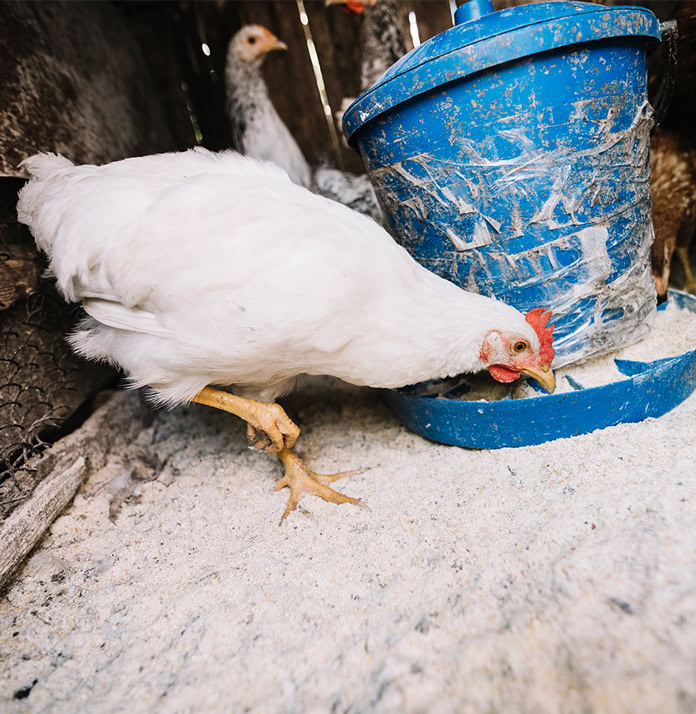
The use of flavors and sweeteners in poultry feeds is quite common. Processed flours, by-products, antibiotics, alternative additives, and enzymes in diets can negatively affect feed palatability. Therefore, sweeteners and flavor systems are preferred, especially in starter feeds for chicks, to increase acceptance, mask undesirable tastes, and maintain feed consumption during stressful periods such as vaccination, transportation, or high temperatures. Market reports show that poultry generally has the largest revenue share in the global flavor and sweetener market. This dominance is explained by the large volume of poultry feed, intensive production systems, and the commercial importance of growth during the starter period.
Innovations in the sector are increasingly focused on natural flavor solutions compatible with pelleting and extrusion, and growth continues steadily but in a competitive manner.
Pigs
The use of flavors and sweeteners in pig feed plays a particularly critical role during the weaning period. Diets may contain bitter medicines, new protein sources, or high levels of soy by-products. Piglets are highly sensitive to palatability, and milk-like flavor enhancers mimic mother’s milk, encouraging solid feed consumption in the early stages. Pigs have a natural physiological preference for sweet compounds, and therefore the use of flavor enhancers supports appetite, reduces weaning stress, and prevents declines in feed intake. The pig segment ranks second in the global market after poultry, with strong demand particularly in major production regions such as China, North America, and Europe. Weaning diets and medicated feeds are prominent in this segment.
Ruminants
The use of flavors and sweeteners in ruminants is more targeted. The variable palatability of silage and dry forage, the need to support feed intake in concentrated transition diets or lactating dairy cows necessitates the use of these additives. Sweeteners are also used in calf milk replacers and mineral supplements to increase voluntary intake. Although market shares are lower than for poultry and swine, intensive production, particularly in dairy and beef cattle systems, creates a steady demand for calf starter feeds and specialized supplements. Natural aromas such as molasses, vanilla, and banana, as well as palatability products specifically designed for ruminants by some manufacturers, are widely available in the market.
Aquaculture
Aquafeeds are one of the fastest growing areas of use for flavors and sweeteners. Fish and shrimp’s drive to find and consume feed relies heavily on scent and taste cues. The shift from high-cost fish meal to plant proteins or insect meal can reduce palatability. Therefore, specific attractants, flavors, and water-stable coatings are critical in this segment. Flavor enhancers are generally added to formulations not for a “sweet” perception in fish, but as part of attractive mixtures. They are also used to increase stress tolerance and support feed efficiency in fish and shrimp. Ingredients such as marine fish or shrimp peptides, krill oil, and insect protein hydrolysates are frequently preferred to increase the attractiveness of feeds. The Asia-Pacific region, particularly China and Southeast Asian countries, is the fastest-growing market in this category.
Pets
One of the areas where the role of aromas and flavor enhancers is most prominent is pet food. Palatability directly influences pet owners’ repurchase behavior and preference for premium products. Meat-based flavors and flavor enhancers are widely used in dry foods, wet canned foods, and treats. Clean labels, natural ingredients, and humanization trends are strong in this segment. Pet food has a high revenue share within the aroma and flavoring market and, according to some reports, has caught up with or even surpassed some livestock segments. Thanks to premiumization and pet parents’ high budgets for products, the penetration rate in this segment is quite high, and innovation cycles are progressing faster than for other feed types.

REGIONAL MARKET SITUATION
The global feed flavors and sweeteners market exhibits different growth dynamics, regulatory structures, and consumption habits depending on the region. In developed countries, market demand is generally shaped by a shift towards premium feeds, pet foods, and natural ingredients, while in developing regions, increasing animal protein production, industrialization of the feed industry, and pressure for efficiency are at the forefront. North America and Europe, as mature and regulated markets, focus on high-quality products, while the Asia-Pacific region is the clear leader in terms of volume growth. The Middle East and Africa, on the other hand, have development potential due to new investments and urbanization. These differences make geographic diversity and strategic positioning important in the global market, making regional strategies an increasingly decisive factor for flavor and sweetener producers.
The Americas, particularly North America, stand out as one of the leading markets for feed flavors and sweeteners. The most important reasons for this include large and industrialized feed sectors, premium feeds, and high additive usage in pet foods. North America generally ranks high in global revenue breakdowns. The region’s mature commercial feed industry, premiumization and humanization trends in pet foods, and advanced feed technologies such as encapsulation and extrusion are driving demand. However, consumers’ clean-label expectations are limiting the use of synthetic additives and driving a shift towards more costly natural flavors.
The Asia-Pacific region is considered the largest and fastest-growing market within the global feed flavor and sweetener market. China dominates the regional market thanks to its large animal population and advanced feed production infrastructure. India, another rapidly growing market, is notable for its focus on ruminant livestock and milk production. Increasing poultry and swine farming, and aquaculture across the region, taste issues arising from greater use of plant proteins, and rising pet food demand alongside urbanization are driving the market forward. However, cost pressures may limit the use of expensive natural or encapsulated systems. Nevertheless, APAC continues to be the region contributing most to global demand with strong volume growth.
Europe is a mature market characterized by an emphasis on natural ingredients, strict regulations, and advanced feed and pet food sectors. Premium pet foods and specialty feeds are driving demand for high-quality flavor solutions. The regulatory environment only permits the use of approved and documented systems, necessitating reformulations. Consumers’ intense interest in natural ingredients limits the use of synthetic additives, while regional differences can slow the entry of new products into the market. Europe’s growth trend is stable but cautious, with premiumization and regulatory compliance determining the market’s direction.
The Middle East and Africa region has a relatively small share of the global market but has potential for growth. While the Gulf countries and South Africa have more developed feed industries, additive use remains limited in many parts of the continent due to small-scale production and cost sensitivity. Increasing commercial poultry farming, feed mill investments, and initiatives towards modern livestock farming form the basis for future growth. South Africa is a prominent center in the region with its strong consumer base and the presence of industry players. The MEA market is expected to show slow but gradual growth in the coming years.
MARKET COMPETITION AND SUPPLIERS
The global animal feed flavorings and sweeteners market is shaped by intense competition between multinational companies and regional specialist suppliers. Competition centers on R&D investments, the development of natural and clean label compliant products, technical support services, and compliance with legal regulations. While major players stand out with their extensive product portfolios, strong distribution networks, and comprehensive technical services, regional producers gain a competitive edge through formulations tailored to local needs and more flexible customer relationships. The pet food and aquaculture segments attract attention as areas requiring high profitability and technical expertise, while price pressure and the need to prove return on investment are at the forefront in the livestock segment. Success is not limited to developing innovative and proven products, but is also determined by the ability to conduct field trials, provide technical support, and meet regulatory requirements. Investments in natural ingredients, encapsulation technologies, sustainable supply chains, and species-specific solutions are expected to determine competitive strength in the market in the coming period.
References
1.Technical uses of flavors in commercial animal feeds| Feed Strategy
2.Animal Feed Flavors – Pancosma
3.Effects of flavoring additives on feed intake, growth performance, temperament, and markers of immune function for newly received feedlot cattle | Journal of Animal Science | Oxford Academic
3.Sweeteners | EFSA
4.Middle East and Africa Feed Flavor and Sweetener Ingredients Market Size, Share, and Industry Report 2030 I Data Bridge Market Research
5.North America Feed Flavor and Sweetener Ingredients Market Size, Share, and Industry Report 2030 I Data Bridge Market Research
6.Asia-Pacific Feed Flavor and Sweetener Ingredients Market Size, Share, and Industry Report 2030 I Data Bridge Market Research
7.North America Feed Flavors and Sweeteners Market Report – Industry Trends and Forecast to 2030 | Data Bridge Market Research I Data Bridge Market Research
8.Feed Flavors and Sweeteners Market – Global Market Size, Share and Trends Analysis Report – Industry Overview and Forecast to 2032 | Data Bridge Market Research
9.In-Depth Industry Outlook: Feed Flavors and Sweeteners Market Size & Forecast I Verified Market Research
10.Feed Flavor and Sweetener Ingredients Market Report 2025, Size I The Business Research Company
11.Feed Flavors And Sweeteners Market Size & Share Analysis – Industry Research Report – Growth Trends I Mordor Intelligence
12.2025 Feed Flavors and Sweeteners Market Report – Industry Size, Competition, Trends and Growth Opportunities by Region – Forecast by Types and Applications (2024-2032) I Research and Markets
13.Feed Flavors and Sweeteners – Global Strategic Business Report I Research and Markets