

CULT Food Science and Umami Bioworks have revealed world’s first cat treat with cell-cultivated fish. Hybrid pet food brand “Marina Cat” slated for 2024 release uses a mix of ocean snapper and Bmmune®.
 CULT Food Science Corp., a pioneer in the investment, development, and commercialization of cellular agriculture technologies and products, has introduced Marina Cat™, a hybrid cell-cultivated pet food brand for cats developed in partnership with Umami Bioworks.
“My vision for the future is that we no longer have to slaughter other animals to feed our cats,” said Joshua Errett, VP of Product at CULT. “This brand brings me one very great step closer to making that a reality.”
“We are pleased to be embarking on this partnership with Marina Cat to power a new category of cultivated pet food products that are healthier for cats and better for our oceans. As a platform technology provider, we are committed to delivering the technology stack that powers commercialization of cultivated products across a range of applications. This first collaboration with Marina Cat and CULT Food Science is the first step to delivering on that promise,” said Mihir Pershad, CEO of Umami Bioworks.
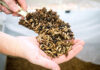
Marina Cat™ is a blend of ocean snapper, cultivated by Singapore-based biotech startup Umami Bioworks, and enriched with Bmmune® to provide a high protein, low calorie snack with super savory umami flavors that cats enjoy. With its unique nutritional properties, this first of its kind treat provides benefits to a cat’s cognitive function, based on its high levels of omega 3, 6 and 9 fatty acid chains. Studies have shown that DHA and EPA provided in the treat can boost brain, vision and nervous system development in cats and kittens.
In the announcement they made about the new product, the companies draw attention to the following: “Human impact on the oceans extends beyond our own consumption of seafood. Cats, in particular, are obligate carnivores; their bodies do not digest plants well enough to provide enough nutrients for their survival. Pet owners simply cannot avoid feeding their cats animal products to meet their basic nutritional needs which causes a surprising amount of strain on the global fish supply. In 20081 it was estimated that the amount of raw fishery products directly used by the cat food industry equates to 2.48 million metric tonnes per year. Marina Cat™ has all the animal-derived nutrition of caught or farmed fish, but none of the harmful environmental impacts of commercial fishing.”
Production of Marina Cat™ products is expected to begin later this year with widespread availability anticipated in 2024. This groundbreaking release represents a world first for the pet food industry, an estimated $150B global market, using cell-cultivated technology to make food in ways never before possible.
1De Silva, S.S., Turchini, G.M. Towards Understanding the Impacts of the Pet Food Industry on World Fish and Seafood Supplies. J Agric Environ Ethics 21, 459–467 (2008).