



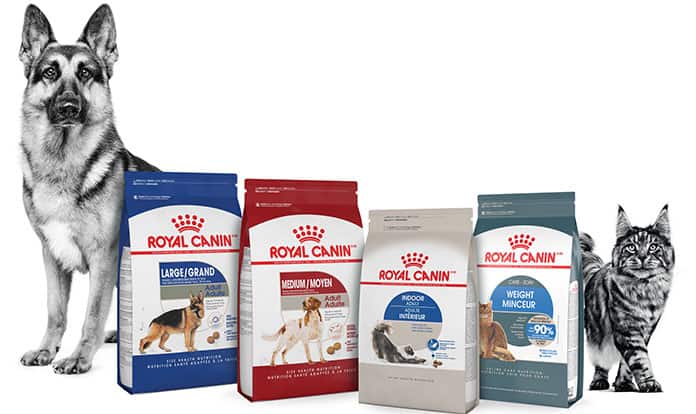
Royal Canin expands its Lebanon operations in Tennessee
Royal Canin, a global player in nutritional health for cats and dogs announces its to expand Lebanon operations in Wilson County, Tennessee.

DLG Test Center completely redesigns feed certification
Test Center Technology and Farm Inputs of the DLG (German Agricultural Society) has fundamentally redesigned its approach to feed certification
ASF: Ongoing change in global pork markets in 2021
Rabobank published “African Swine Fever: A Global Update - Ongoing Change in Global Pork Markets in 2021” report in March. The report highlights the impacts of ASF on the global pig trade and the position of countries.
Adifo and BASF partner on a digital solution for sustainable feed...
Adifo and BASF have launched a new digital solution for the animal agriculture value chain that integrates sustainability analytics powered by BASF’s Opteinics project into Adifo’s BESTMIX® feed formulation software.
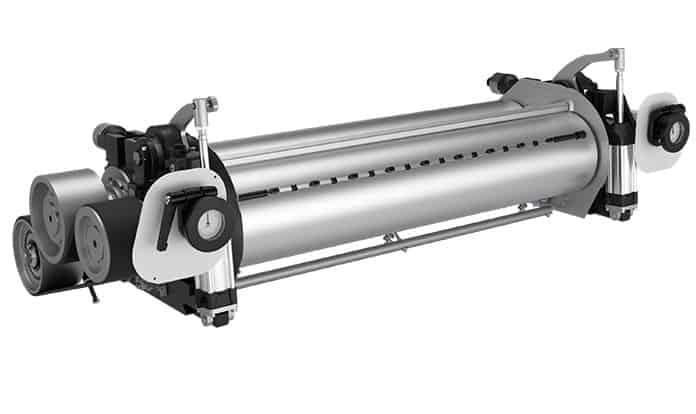
Bühler and Balaguer sign collaboration agreement for SmartRolls
Swiss Bühler Group and Balaguer Rolls from Spain sign collaboration agreement for design and supply of high-quality SmartRolls and services for grain processing.

Biomin launches Mycofix® Plus 5.Z with ZENzyme® in Asia Pacific
Leading animal nutrition and feed additive firm Biomin has launched its newest mycotoxin risk management solution, Mycofix Plus 5.Z with ZENzyme, in select markets across the Asia Pacific region.

LaToya Jones Burrell joins Anderson Foundation as Executive Director
Zinpro Corporation announced that LaToya Jones Burrell, J.D. will join the company as Executive Director of the Anderson Foundation.
Nutreco sets out bold new strategy to cut greenhouse gas emissions
Nutreco's New RoadMap 2025 sets out bold ambition to accelerate action to slash greenhouse gas (GHG) emissions and address climate change.
Global Poultry Industry and Trends
The poultry sector, which has an extremely important place in terms of food safety and nutrition, is the fastest growing agricultural sub-sector, especially in developing countries. It is thought that factors such as population growth, income level growth...

Is it possible to reduce the carbon footprint of livestock?
About 40 percent of livestock emissions consist of enteric methane. Nitrous oxide and methane from fertilizer management are other emissions from livestock. Although it seems very difficult to control these two resources that arise as a result of a natural process, alternative solutions are also developing rapidly. Some studies are showing that changes to be made especially in the nutritional diets of animals decrease this rate.