


Avian influenza activity is expected to remain elevated across Europe until late winter, with EFSA reporting widespread HPAI circulation in wild birds and ongoing spillover events affecting poultry holdings in several countries.
In the closing months of 2025, Europe has witnessed a marked increase in cases of highly pathogenic avian influenza (HPAI) among wild birds, leading to widespread outbreaks in poultry farms and a rise in detections among carnivorous mammals. Despite the ongoing spread within animal populations, the risk to the general public remains low.
Between 6 September and 28 November 2025, 442 outbreaks of HPAI were reported in domestic birds and 2,454 outbreaks in wild birds across 29 European countries, according to the latest quarterly report by the European Food Safety Authority (EFSA), the European Centre for Disease Prevention and Control (ECDC), and the EU reference laboratory (EURL).
WILD BIRDS
As previously reported by EFSA, the number of wild birds affected by HPAI has reached its highest level for this period since 2016. Waterfowl – including ducks, geese and swans – have been particularly impacted, alongside extensive mortality events in common cranes. Almost all detections in Europe are linked to a newly introduced variant of a certain HPAI A(H5N1) genotype that has circulated in the region previously.
The sharp rise in cases may be due to a lack of pre-existing immunity in wild bird populations or increased transmissibility of the circulating variant. Scientists anticipate sustained high levels of virus circulation in wild birds in the coming weeks, with a likely decline towards the end of winter.
POULTRY
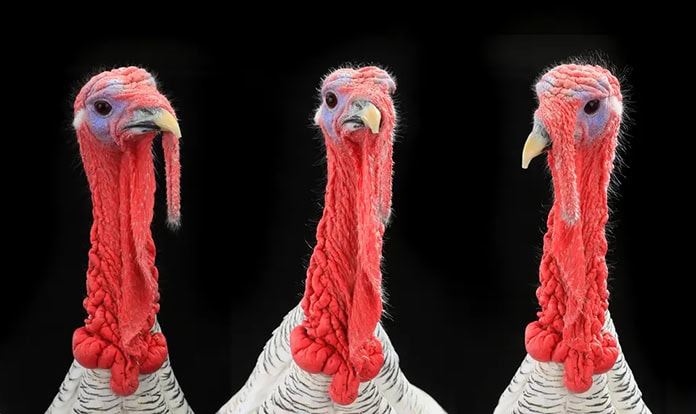
The widespread outbreaks on farms across Europe have primarily resulted from introductions by wild birds, mainly through indirect contact. In particular, turkeys have been affected, and there has been an increase in detections among vaccinated ducks. Factors contributing to the rise in cases include transmission from wild birds, infection pressure from highly contaminated environments near poultry establishments, and certain weather conditions such as humidity.
Experts strongly recommend housing domestic birds in areas where HPAI virus is circulating in wild birds or where wild bird mass mortality events have been reported. Strict biosecurity and enhanced surveillance are essential to detect new outbreaks early and reduce risks to animal health.
MAMMALS
During the reporting period, there was a slight increase in detections in wild carnivores, particularly foxes, linked to the ongoing high circulation of HPAI in wild birds. The virus has also reappeared in domestic cats in two countries after an extended period without cases. The likely source of infection for these cats was direct or indirect contact with wild birds, with no evidence of transmission via contaminated raw pet food. Experts advise pet owners to avoid feeding pets raw meat or other raw animal products. In areas where HPAI virus circulation is high, experts recommend keeping pets indoors or on a leash to reduce exposure. No new mammal species were affected by HPAI virus during the reporting period in Europe.