

Tag: feed additives

When precision feeding for ruminants makes sense?
Precision feeding means feeding each and every animal according to its individual requirements. Not only on average, but at every feeding, every single day....

5 facts why you should use chelated trace minerals in laying hens
The focus in modern egg production is on maximizing animal performance and ensuring high-quality food production. But the growing demand for high performance is...
Feeding for immunity: Why the source of trace mineral matters
Required to develop and support a fully functioning immune system, trace minerals support enzyme production. Their availability is linked to functions such as cellular...

From premix to gut, interactions with minerals can be costly!
Depending on the markets, the industry is using vitamin premix separately from mineral premix, while others are able to mix all micro-ingredients together. The...

Maximize animal health and performance with optimum vitamin levels
When adding vitamins to animal feed, various factors must be taken into consideration for a balanced nutritional approach. This often means that estimating precisely...
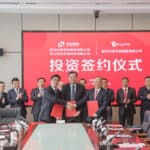
Angel Yeast enters comprehensive health industry with new joint venture
Angel Yeast, a well-known manufacturer of yeast and feed additives in China, has signed an agreement with two leading Chinese biomedical companies to establish...

FRAmelco names Peter Zondervan as new Managing Director
Leading Dutch feed additives manufacturer FRA®melco appointed Peter Zondervan, who has been COO at the company since 2018, as new Managing Director.
Dutch feed additives...

DSM to acquire Vestkorn Milling for plant-based proteins growth
Royal DSM has signed an agreement to acquire Norway-based Vestkorn Milling, one of Europe's leading producers of pea- and bean-derived ingredients for plant-based protein...

Kemin launches TOXFIN CARE all-in-one protection against mycotoxins
Kemin Industries has introduced TOXFIN CARE, a new mycotoxin management solution that reinforces the immune system, safeguards organs and prevents loss in performance and...

VIV MEA 2021 closing today
Today (November 25) is the last day for VIV MEA 2021, which opened on November 23 at the Abu Dhabi National Exhibition Center (ADNEC)....