
spot_img
spot_img

INTERNATIONAL MAGAZINE FOR ANIMAL FEED & ADDITIVES INDUSTRY

Tuesday, January 20
spot_img
spot_img

INTERNATIONAL MAGAZINE FOR ANIMAL FEED & ADDITIVES INDUSTRY

spot_img

Follow the links to read

More
    Home Tags Alltech

    Tag: Alltech

    The future of antibiotics In poultry feed

    The future of antibiotics in poultry feed

    With alarming predictions on what antibiotic resistance could do to people’s health and livelihood, the poultry industry is taking steps to reduce antibiotic use...
    Alltech continues to support mentorship program for women in agri-food

    Alltech continues to support mentorship program for women in agri-food

    Applications are open now for the 2023 Women in Food & Agriculture (WFA) Mentorship Program, supported by Alltech. The program offers opportunities for women...

    Alltech ONE Conference embarks on a world tour in 2023

    Alltech ONE Conference embarks on a world tour in 2023

    Alltech will organize the annual Alltech ONE Conference in different countries of the world and turn it into a series of international events. For...
    Improving pet food digestibility with yucca schidigera

    Improving pet food digestibility with yucca schidigera

    Pet food digestibility refers to how much food is actually digested, used and absorbed by the animal. Higher digestibility values are desirable because this...
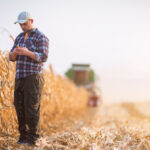
    Alltech has explained results of the 2022 European Harvest Analysis. The results of the analysis indicate high levels of mycotoxins in grains across Europe. Alltech, one of the leading companies in the animal nutrition industry, announced the results of the 2022 European Harvest Analysis. The analysis reveals that grains in Europe contain high levels of mycotoxins due to drought. According to the company statement, similar to 2021, widespread drought throughout Europe during the 2022 growing season has directly impacted the presence of moulds and mycotoxins in new crop grains and forages. The Alltech 2022 European Harvest Analysis uncovers the true threat mycotoxins pose to animals and producers. To determine the most accurate representation of mycotoxin risk across Europe, Alltech has again collaborated with SGS, a global leader in mycotoxin testing and certification. Data for this programme has been collected for key feed ingredients on a regional level, and analysis indicates moderate to high levels of mycotoxin risk. The results of the 2022 analysis are based on over 1,000 samples of the most common grains and forages produced and used in the European livestock industry. Samples have been collected from farms or animal feed production sites in 20 different countries, offering a representative picture of the contamination risk in all regions, with an overall moderate to high risk. ''Generally, the current results look very similar to the analysis we performed in 2021, with the aflatoxin issue in Central and Southeastern Europe dominating the headlines and creating the greatest challenge for feed and livestock producers to manage,” said Dr. Radka Borutova, European technical support manager with the Alltech Mycotoxin Management team. “Although this analysis gives a robust assessment of the mycotoxin risk in Europe this year until you actually test the ingredients that you are using in your business, it can be difficult to implement an effective control plan.’’ KEY RESULTS FROM THE ALLTECH 2022 EUROPEAN HARVEST ANALYSIS INCLUDE: • 100% of samples contained mycotoxins, with 79% containing 2 or more • On average, each sample contained 4.5 mycotoxins • Aflatoxins, type B trichothecenes, fumonisins and emerging mycotoxins are the most dominant groups detected • 67 corn samples exceeded aflatoxin regulatory limits for feed usage (>20 ppb) The aflatoxin challenge in corn For the second year running, aflatoxin contamination of corn in Central and Southeastern Europe is a dominant issue for feed and livestock producers to consider as they begin to purchase and use ingredients during the coming feeding season. Aflatoxin is a warm-weather toxin, and the widespread extreme heat conditions during the main growing season are likely to have contributed to the levels appearing in corn samples. Wheat and barley Mycotoxin levels in wheat and barley are less than those contained in corn. While the average number of mycotoxins detected in many corn samples is above 5, in small grains, it is typically closer to 3 This variance is reflected in the risk equivalent quantity (REQ) and the risk of feeding these ingredients to specific species and animal groups. For instance, in sows and gilts, this year’s corn samples represent moderate to higher risk of mycotoxins, but when small grains are fed to the same animals, the mycotoxin risk is deemed to be lower. Straw Although widely used in ruminant diets and swine bedding, contamination of straw with mycotoxins is often overlooked. However, as testing in Denmark continues to reveal, straw samples primarily contain higher levels of mycotoxins. DON is the leading mycotoxin of concern and is likely resulting from a combination of pre- and post-harvest contamination. The problem can be exacerbated when straw is left in the field for a prolonged period, exposed to rain and dampness. Forages In all regions of Europe, grass and corn silage samples contained levels of mycotoxins that would be deemed higher risk for use in dairy production. The presence of elevated levels of Penicillium toxins are seen as the main contributor to this risk. Risk to specific animal groups • Pig producers should be aware that the corn risk level based on the average REQ for breeding sows and young piglets is deemed to be moderate to high, while the risk coming from small grains (wheat and barley) is low, with certain pockets of moderate to high risk. • When the mycotoxin corn contamination levels are applied to poultry, the mycotoxin risk for breeding birds, broilers and layers is moderate, while the risk coming from small grains (wheat and barley) is low. • In ruminants, the results from the corn and forage samples analysed so far indicate a moderate to high risk in dairy cows.

    Alltech European Harvest Analysis points high levels of mycotoxins

    Alltech has explained results of the 2022 European Harvest Analysis. The results of the analysis indicate high levels of mycotoxins in grains across Europe.20...
    Alltech launches Egalis™ range of silage inoculants

    Alltech launches Egalis™ range of silage inoculants

    Global animal nutrition and health company Alltech has announced Egalis™, a new range of high-quality silage inoculants that maximise nutrient quality retention and reduce...

    Alltech opens Vietnam’s first organic mineral production facility

    Alltech opens Vietnam’s first organic mineral production facility

    Alltech, one of the world’s largest producers of organic minerals for animal nutrition, opened its first organic mineral production facility in Vietnam. The state-of-the-art...
    Alltech appoints Tara McCarthy as global vice president of ESG

    Alltech appoints Tara McCarthy as global vice president of ESG

    Alltech has appointed Tara McCarthy as its global vice president of environmental, social and corporate governance (ESG). In this newly established role, McCarthy will...
    Alltech announces a new meta-analysis shows impacts of mycotoxins on broiler productivity

    Alltech announces a new meta-analysis shows impacts of mycotoxins on broiler productivity

    Alltech has released data from a new meta-analysis. The meta-analysis measured the impact of mycotoxins on the performance and efficiency of birds in regard...
    Managing the mycotoxin risk in lower quality ingredients

    Managing the mycotoxin risk in lower quality ingredients

    Are feed and livestock producers powerless when managing the potential risks from mycotoxins when using lower-quality grains or byproducts during the coming feeding season?...