
Royal Canin has expanded its partnership with the University of Tennessee Veterinary Obesity Center to strengthen efforts to tackle pet obesity, a growing concern affecting companion animal health worldwide.
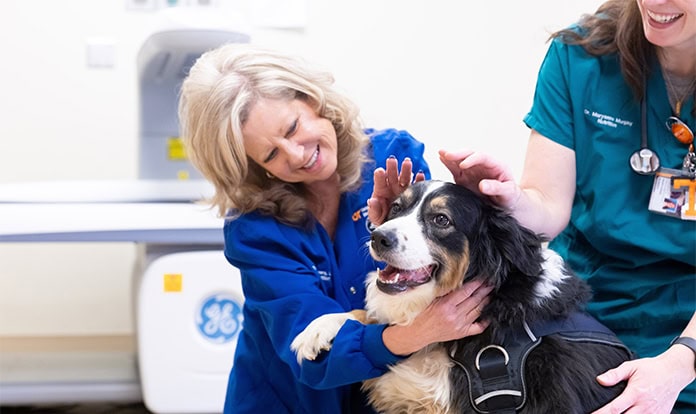 Royal Canin, one of the global leaders in pet health nutrition and a brand of Mars, Inc., has renewed a multi-year agreement with the University of Tennessee Veterinary Obesity Center (UTVOC), uniting under a shared commitment to address feline and canine obesity. The UTVOC, established in collaboration with Royal Canin in 2020, is committed to improving the health and quality of life for cats and dogs through clinical research and professional education focused on obesity prevention and treatment.
Pet obesity is a growing issue, as one in every two dogs is overweight.1 Additionally, overweight dogs may live up to 2.5 years less than dogs with an ideal body weight.2 Through partnerships with veterinarians, pet owners can seek to understand weight management and how to support their pet through precise nutrition.
“Pet obesity is an epidemic in our pet population,” said Dr. Todd East, Director of Veterinary Affairs at Royal Canin North America. “We are proud to continue partnering with UTVOC to provide precise nutrition for overweight animals in need and to educate both pet owners and veterinarians. Together our goal is to make a meaningful impact to combat pet obesity.”
“The Veterinary Obesity Center and our partnership with Royal Canin have allowed me to explore new ideas about managing overweight pets,” said Angela Rollins, DVM, PhD, DACVIM (Nutrition) at the University of Tennessee College of Veterinary Medicine. “What we’re learning in the clinic has strengthened the way I teach students and veterinary professionals and helped launch new research projects.”
EVIDENCE-BASED APPROACHES TO OBESITY MANAGEMENT
The UTVOC provides subsidized clinical management for obesity in client-owned pets, allowing animals to receive care at little to no cost. Outcomes from 75 cats and 100 dogs enrolled in the program demonstrated meaningful changes in body weight over the program’s full study period. Approximately two-thirds of participating animals experienced a clinically significant reduction in body weight, defined as a loss of more than 10% of their starting weight. This included nearly half of enrolled cats and approximately 80% of dogs.3
Royal Canin stated that these cases support ongoing research aimed at advancing evidence-based approaches to obesity management and prevention in cats and dogs. Through continuing education programs, peer-reviewed publications, and the development of professional learning resources, the UTVOC serves as a leading source of training and expertise for veterinary professionals managing overweight patients.
1 Larsen JA, Villaverde C. Scope of the problem and perception by owners and veterinarians. Vet Clin North Am Small Anim Pract 2016; 46: 761-772.
2 Salt C, et al. Association between life span and body condition in neutered client-owned dogs. J Vet Intern Med 2019; 33: 89-99.
3 Internal case data on file with the University of Tennessee College of Veterinary Medicine