


Balanced energy and rumen stability at turnout are vital to protect butterfat levels and fertility. According to Dr. Richard Kirkland from Volac Wilmar, rumen-protected fat supplements offer a proven way to overcome seasonal challenges while maintaining milk quality and herd performance.
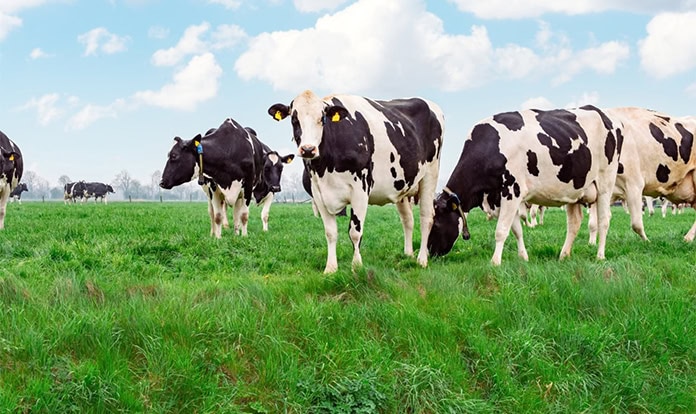
Each spring, dairy producers face the familiar challenge of balancing rumen function and energy supply as cows transition from winter rations to lush, early-season grass. This period, known for unpredictable grazing conditions, often brings the double blow of butterfat depression and reduced fertility.

According to Dr. Richard Kirkland, Global Technical Manager for Volac Wilmar Feed Ingredients, rumen-protected fat supplements have proven to be an effective solution for maintaining both milk quality and herd performance.
“Rumen-protected fats provide energy without adding to the acid load in the rumen, helping to stabilise rumen conditions while supporting fertility and milk fat production,” explains Dr. Kirkland. “This makes them a valuable tool for producers who want to mitigate butterfat depression while also optimising cow performance.”
THE CAUSES OF BUTTERFAT DEPRESSION
Butterfat depression at turnout is the result of the rapid dietary shift from controlled, higher-fibre winter rations to varying intakes of grass that is low in fibre but high in sugar and oil. This highly fermentable forage speeds passage through the rumen, upsetting pH balance and altering rumen function in a way that specifically reduces milk fat production.
“The rumen is being challenged by a switch from a more controlled and consistent winter ration to grazed grass,” says Dr. Kirkland. “The drop in rumen pH is a huge risk factor to acidosis, feed efficiency and compromising energy supply.”
CHALLENGES AT SPRING TURNOUT
Spring turnout coincides with early lactation for many – a period when cows’ energy demands are at their peak, but feed intakes are limited. As a result, cows mobilise body fat to fuel milk production, slipping into negative energy balance. Research from the University of Nottingham shows that every 0.5-unit loss in body condition can reduce conception rates by around 10%.
Variable grazing conditions compound this challenge. Wet, overcast weather can reduce dry matter intake and restrict energy supply.
According to Dr. Kirkland, only part of this energy gap can be safely filled with cereals. Instead, producers should use a rumen-safe energy source like a rumen-protected fat manufactured to pass through the rumen and minimise rumen disruption.
“Cereals offer rapidly fermentable starch, which overloads the rumen with acid and pushes down rumen pH,” says Dr. Kirkland. “Rumen-protected fat supplements not only support rumen function and deliver nutrients much more efficiently to the small intestine, but they also carry an energy density 2.5-times greater than cereals.”
SUPPORTING FERTILITY AND MILK QUALITY
While butterfat depression is a huge focus at spring turnout, dairy farmers also need to prioritise meeting energy demand for fertility.
Fatty acids supplied through rumen-protected fat supplements not only help meet energy needs, but depending on type, also influence nutrient partitioning to body condition, conception and embryo development.
“The oleic fatty acid (C18:1) helps improve body condition and supports the development of fertilised eggs,” explains Dr. Kirkland. “Meanwhile, the palmitic fatty acid (C16:0) drives milk fat synthesis. A balanced supplement delivers the best of both worlds – protecting fertility while lifting milk fat production.”
Mega-Fat 70 is a balanced rumen-protected fatty acid supplement, providing a higher level of C16:0 than standard calcium salts while still supplying the important rumen-protected source of C18:1.
Ultimately, rumen-protected fat supplements should be selected based on the blend of fatty acids they contain, depending on the stage of lactation, individual farm challenges and requirements to maximise returns from specific milk contracts.
To help producers get more value from rumen-protected fat supplements, Volac Wilmar Feed Ingredients has launched the Fat Supplements Return on Investment Calculator 2.0. This free tool analyses herd-specific data such as milk yield, milk composition, fat percentage, feed rates, ration fat content, and milk contract type. It then calculates which rumen-protected fat supplement delivers the best return, helping farmers improve feed efficiency, profitability, and overall herd performance.
“Rumen-protected fat supplements are a proven way to support both fertility and milk quality at turnout,” concludes Dr. Kirkland. “By selecting the right fatty acid balance and using tools like the ROI Calculator 2.0, farmers can make data-driven decisions that protect herd health and deliver maximum returns.”