



“Although there has been significant progress in the area of mycotoxin control, it is still pretty much impossible to entirely eliminate mycotoxins from the animal feed supply chain. Fortunately for producers, there are steps that can be taken — from when the crop is planted all the way through to the delivery of the feed to animals — that can help to mitigate the mycotoxin challenge. One of the key tools within this cycle is mycotoxin detection…”

Dairy Technical Support Specialist
Alltech
It is a common misconception that, due to the anatomy of ruminants, mycotoxins may have a diminished effect on the health and production of cattle. The more we learn about mycotoxins, however, the more we realise that this is not the case. A modern dairy cow’s intake will far outweigh any ability of its rumen environment to inactivate and denature the mycotoxins it consumes. Additionally, some mycotoxins can directly affect microbes and their environments. A rumen microbe will not have time to act before another load of mycotoxins is ingested.
Mycotoxins exist in almost every feed presented to cows. Across the last six months of Alltech 37+® mycotoxin testing, the most common ingredients and TMRs fed to dairy cows globally contained an average of 5.4 mycotoxins per sample, with 96% of samples containing two or more mycotoxins. When Alltech’s risk equivalent quantity (REQ) metric is applied to these results, it reveals a higher level of mycotoxin risk to dairy cows overall, with subsequent additional impacts on health and performance.
When we analyse a ration for mycotoxins, we can look at two areas: ensiled forages and concentrates. Both of these have the potential to expose cattle to significant mycotoxin levels.
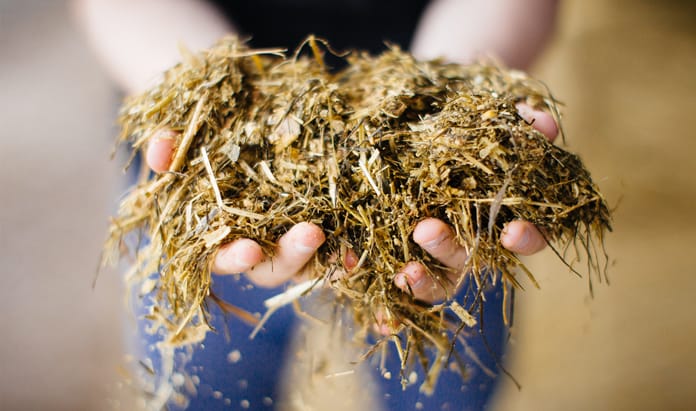
Ensiled forages are a key component of most dairy diets throughout the world. Due to the nature and composition of this commodity, ensiled forages often carry a high risk of mycotoxin contamination.
On the dairies I have worked with, I have never submitted a silage sample for mycotoxin analysis and found it to be completely void of mycotoxins. The clinical signs on the dairy may not exactly match the mycotoxin profile, but this is one of the subtle dangers of feeding mycotoxin-contaminated feed.
Field mycotoxins are a group of numerous different compounds, including — but not limited to — aflatoxin, deoxynivalenol (DON), fumonisins and zearalenone. Reduced growth rates, decreased feed efficiency, altered rumen and gut health, decreased milk production and poor reproductive performance can all be signs of chronic intakes of these mycotoxins.
When we shift our focus to storage mycotoxins, some of the most common molds that we see are members of the Penicillium family. These molds produce a variety of mycotoxins, including patulin, penicillic acid and mycophenolic acid. This family of mycotoxins has a chemical structure similar to antibiotics developed to treat infections and, thus, has mainly antimicrobial and immune-suppressant actions.
For example, patulin has been found to alter the metabolism of nutrients through this exact method, where adverse effects on organic matter, protein and fibre digestion have all been noted. This change could lead to a detrimental impact on the performance and health of the animal. This is a discussion that many producers are not aware of, and it is a common-sense explanation as to why they may be having feed-efficiency issues on their operations.
“Mycotoxins can come from two sources: field toxins, which are already present in the forage, and storage toxins, which proliferate during the ensiling and storage process. Significant dangers are attached to both categories.”
I often speak with dairy producers and nutritionists about the types of feed that they are providing to their cows. The agriculture industry does not get the first choice of all the cereal grains or byproducts that cows consume; frankly, our cattle are often the last in line. This is due, in part, to the misconception that you can feed ruminants whatever falls out of the grain truck and they will not be adversely affected.
However, we also have the challenge of availability and resources. As a result of the droughts and late-season hail and wind in some regions, there are obvious concerns about this year’s crop quality as harvest kicks off. Add the high commodity prices to this equation, and it is clear that we need to understand that, to meet demand, farmers are going to be emptying every silo and shipping all the grain they have available. As such, there are bound to be inconsistencies in storage ability and facilities across the country.
Mycotoxin risk can come from other sources in the ration as well, such as byproducts. When feeding large amounts of byproducts to dairy herds — a trend that can be more common during periods of high raw material prices in the US in particular — we need to understand that there can be a tremendous level of variability in the quality of these feedstuffs. Byproducts also often contain many different types of mycotoxins from the Fusarium, Penicillium, Aspergillus or Claviceps families. The latter species of mold produces ergot alkaloid mycotoxins that can appear on the heads of cereal grains.
These mycotoxins can cause vasoconstriction in small arteries. The effects of ergot may be seen in the extremities of cattle, including their legs, feet and even the tips of their ears and tails. Depending on the contamination level, this can be a significant cause of lameness, with additional swelling and inflammation. We may also see a lack of heat tolerance and an inability to thermoregulate.
Production losses and random digestive upsets are two classic examples of how dairies can be affected by a hidden mycotoxin issue. Although milk production immediately draws attention, behind the scenes, there can be significant reproduction issues as well.
Mycotoxins that originate from the Fusarium family are a perfect example. It has been shown that dairy cattle fed diets containing DON, zearalenone and fumonisin mycotoxins experience reproductive issues, decreased milk production and mild liver disease. Additionally, it has been noted that, due to the production stress they experience, dairy cattle are likely more susceptible to lower levels of these mycotoxins.
If we were to sum up some key points about mycotoxicosis in cattle, we would focus on the fact that:
• Mycotoxins can be the primary cause of decreased milk production.
• Mycotoxins, through immunosuppression, can be the cause for increased incidences of disease.
• Symptoms of mycotoxicosis are often non-specific and can be wide-ranging.
MANAGING THE CHALLENGE
Although there has been significant progress in the area of mycotoxin control, it is still pretty much impossible to entirely eliminate mycotoxins from the animal feed supply chain. Fortunately for producers, there are steps that can be taken — from when the crop is planted all the way through to the delivery of the feed to animals — that can help to mitigate the mycotoxin challenge. One of the key tools within this cycle is mycotoxin detection. Until the actual risk is identified and quantified, it can be very difficult to establish effective mycotoxin control programs or make successful use of in-feed ingredients, such as mycotoxin binders, that are designed to remove mycotoxins from the animal’s digestive tract before they have a chance to cause serious harm.
Over the next few months, we will be completing the Alltech Harvest Analysis program across Europe, the U.S. and Canada. With the current drought conditions throughout North America and the turbulent weather — including widespread floods — being seen in Europe, the insights coming out of this year’s analyses will be crucial to informing both feed and livestock producers of the necessary actions they will need to take to implement effective mycotoxin control.
If you are concerned about the quality of your own feeds or would simply like to understand more about the dynamics of the mycotoxin challenge in dairy production, please visit knowmycotoxins.com or contact your local Alltech representative.
About Dr. Luke Miller
Dr. Luke Miller’s expertise extends to every level of a dairy operation. Prior to joining Alltech, he was the general manager for a 6,000-head, multi-site dairy in central California. During his eight years at the dairy, he managed dairy operations and a team of 45 employees, and he designed and constructed a state-of-the-art, 80-stall rotary milking barn. He also worked with local and national government agencies on grants and permitting.
Previously, Miller spent eight years as a large animal veterinarian, where he became the practice owner. He practiced all facets of large animal medicine and also aided in the design and implementation of dairy protocols and standard operating procedures.
He received a bachelor’s degree in animal science and a doctoral degree in veterinary medicine from Michigan State University. Miller and his family currently reside in central California.